Kenya’s Inflation Rises to 7.3% as Fuel Prices Push Up Cost of Living
Kenya is facing another increase in the cost of living after its inflation rate rose to 7.3 per cent in October 2026, up from 6.8 per cent in September. The increase has been linked mainly to rising fuel, food and transport prices, putting more pressure on households across the country.
According to the Kenya National Bureau of Statistics (KNBS), the latest figure is the highest inflation rate recorded in the country since July 2023. The report shows that the rising prices of everyday goods and services are making it more difficult for people to manage their daily expenses.
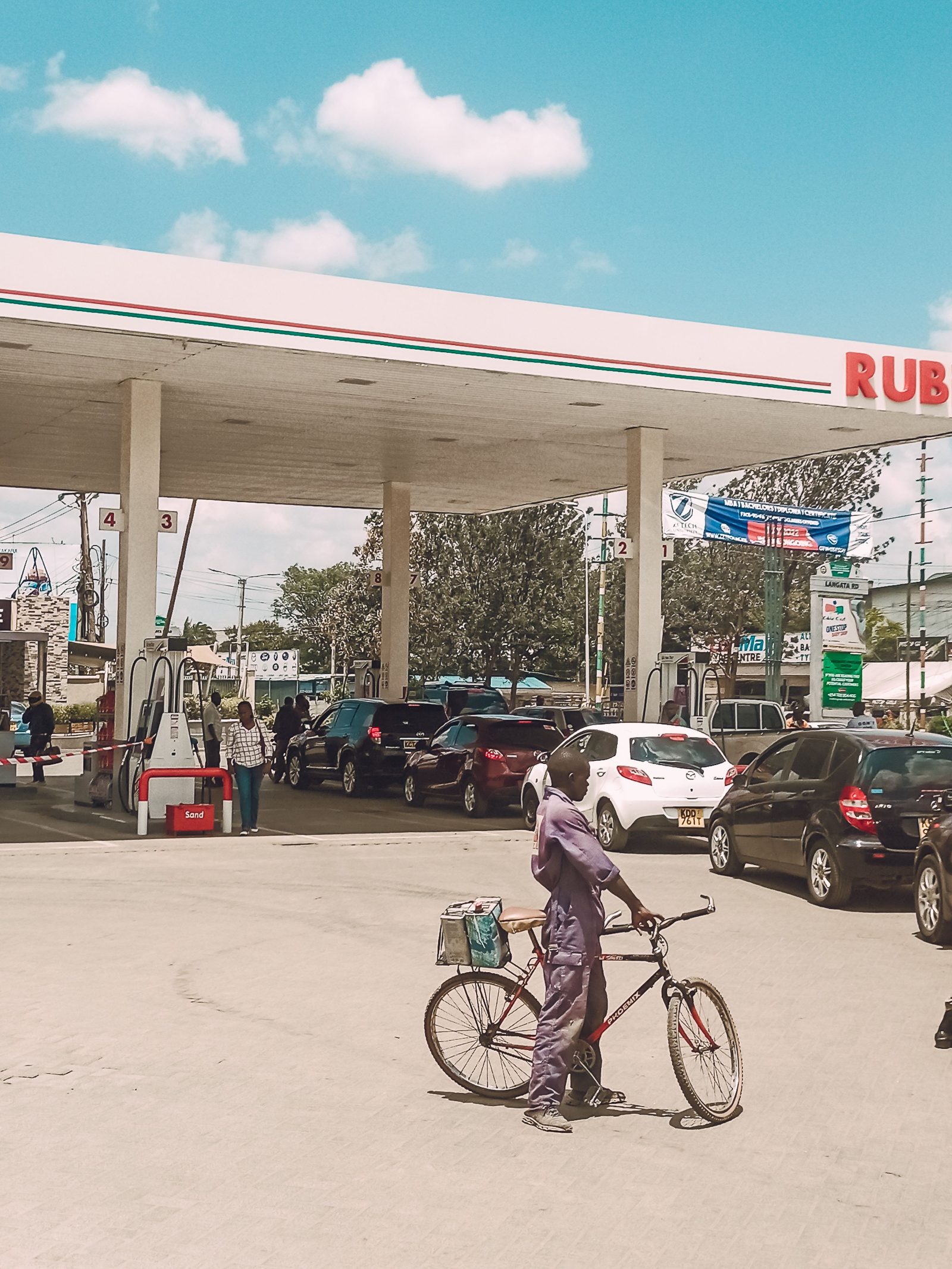
One of the major reasons behind the increase is the rise in fuel prices. Fuel plays an important role in everyday life because it is used by private car owners, public transport operators and businesses that move goods from one place to another. When petrol and diesel prices increase, transport operators may spend more money on fuel and this can lead to higher transport fares.
The effects do not stop at transport. Traders and business owners also depend on vehicles to move food, clothes and other products from suppliers to markets and shops. When the cost of moving these goods increases, sellers may increase their prices to cover the extra expenses. This means that even people who do not own cars can still feel the impact of higher fuel prices.
The KNBS report also showed that transport prices increased by 17.1 per cent over the past year, while food and non-alcoholic beverages rose by 10.2 per cent. Housing, water, electricity, gas and other fuel costs also increased by 3.7 per cent.
For ordinary shoppers, the first signs may appear when buying food and other household items. Families may notice that the money they normally use to buy milk, vegetables, cooking oil and other basic needs no longer goes as far as before. Some shoppers may have to spend more money than usual or reduce the number of items they buy.
Commuters may also feel the pressure when paying for public transport. People who use matatus and buses to get to work, school or other places may face higher fares as operators deal with increased fuel costs. Motorists will also have to spend more money when filling their vehicle tanks.
The increase is a concern for many families because transport and food are expenses that people cannot easily avoid. Those who earn a fixed monthly income may find it harder to balance their spending as the prices of essential items continue to rise.
Although the inflation figure does not mean that every product has become more expensive, it shows that the general cost of goods and services has increased compared with the same period last year.
As Kenya records a 7.3 per cent inflation rate, many households will be hoping for a reduction in fuel and food prices so that their daily expenses can become easier to manage.
Sources
Version 1.0. Kobo Daily stories are edited before publication and updated as facts change. Spotted an error? Tell our editors.