Fuel Price Pressure Returns in Nigeria
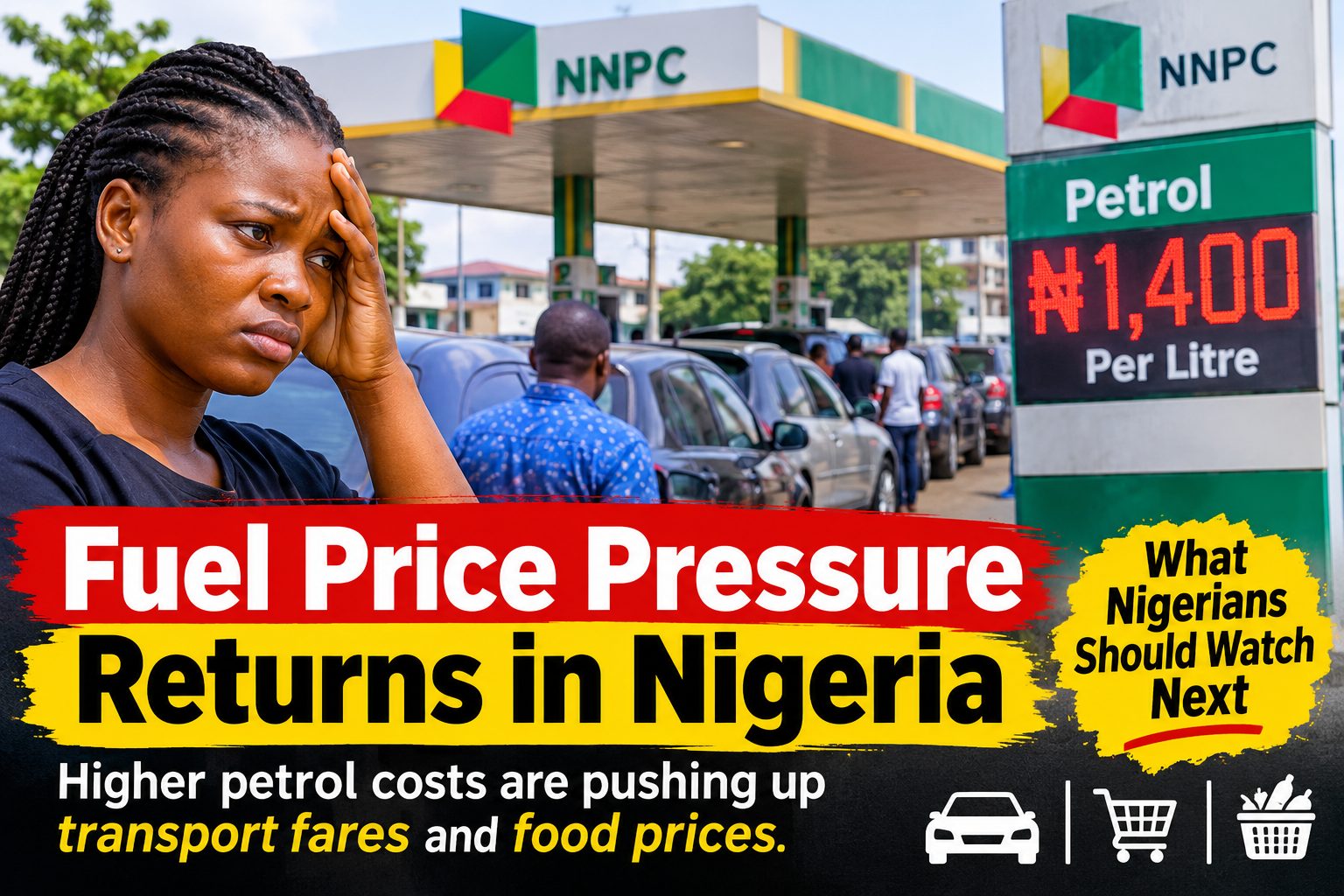
Rising petrol prices are putting fresh pressure on households and businesses across Nigeria, bringing the cost-of-living crisis back into focus. For millions of Nigerians, the impact goes beyond filling a vehicle's tank. It affects transportation, food prices, household budgets and the cost of running small businesses.
The latest Nigeria fuel price concerns highlight how quickly changes in the petroleum market can affect everyday spending, especially for people who depend on public transport and daily income.
##The New Pressure Nigerians Are feeling
Higher petrol costs mean commuters may have to spend more money getting to work, school, markets and other destinations. Commercial drivers also face increased operating expenses, which can lead to higher transport fares.
For low-income households, even a small increase in daily transport spending can make a noticeable difference. Workers who earn fixed salaries may find it harder to balance transportation, feeding, rent and other essential expenses.
Small businesses are also affected because many depend on petrol-powered generators to operate during electricity interruptions.
##Why Transport and Food Costs Matter Most
Transportation is one of the fastest ways fuel price increases affect ordinary Nigerians. When drivers pay more to refuel their vehicles, they often increase fares to cover the difference. This affects workers, students, traders and families who depend on public transport every day.
Food prices are also closely connected to fuel costs. Farmers, distributors and market traders need vehicles to move agricultural produce from farms to markets and shops. When transportation becomes more expensive, consumers may end up paying more for rice, vegetables, meat and other basic food items.
A Reuters report published in September noted that petrol prices had climbed to around ₦1,400 per litre in Lagos and Abuja. The report also highlighted how higher fuel costs were forcing some Nigerians to change their spending habits, including switching from private cars to public transportation.
##What Nigerians Should Watch Next
Attention is now turning to whether government interventions can provide meaningful relief. On October 9, the Federal Government announced that NNPC Retail would temporarily forgo its petrol retail profit margin for 30 days. However, the measure does not automatically guarantee lower transport fares or food prices.
Another development to watch is the government's agreement to provide federal workers with a ₦70,000 monthly transport allowance for six months, following negotiations with organised labour.
Nigerians should monitor petrol prices, transport fares, food prices and possible government support measures in the coming weeks.
Ultimately, the real test is whether any reduction in fuel costs will reach commuters, market traders and households.
For many families, affordable transportation and food remain more important than promises of economic improvement. Until everyday expenses become easier to manage, the cost of living Nigeria remains a major concern.
Sources
Version 1.0. Kobo Daily stories are edited before publication and updated as facts change. Spotted an error? Tell our editors.