Inside CBN’s New Crypto Rules: What Changing P2P and Stablecoin Regulations Mean for Your Wallet
The regulatory landscape for digital financial transactions in Nigeria has undergone a significant transformation. The Central Bank of Nigeria has officially released an extensive and strict regulatory framework titled t…
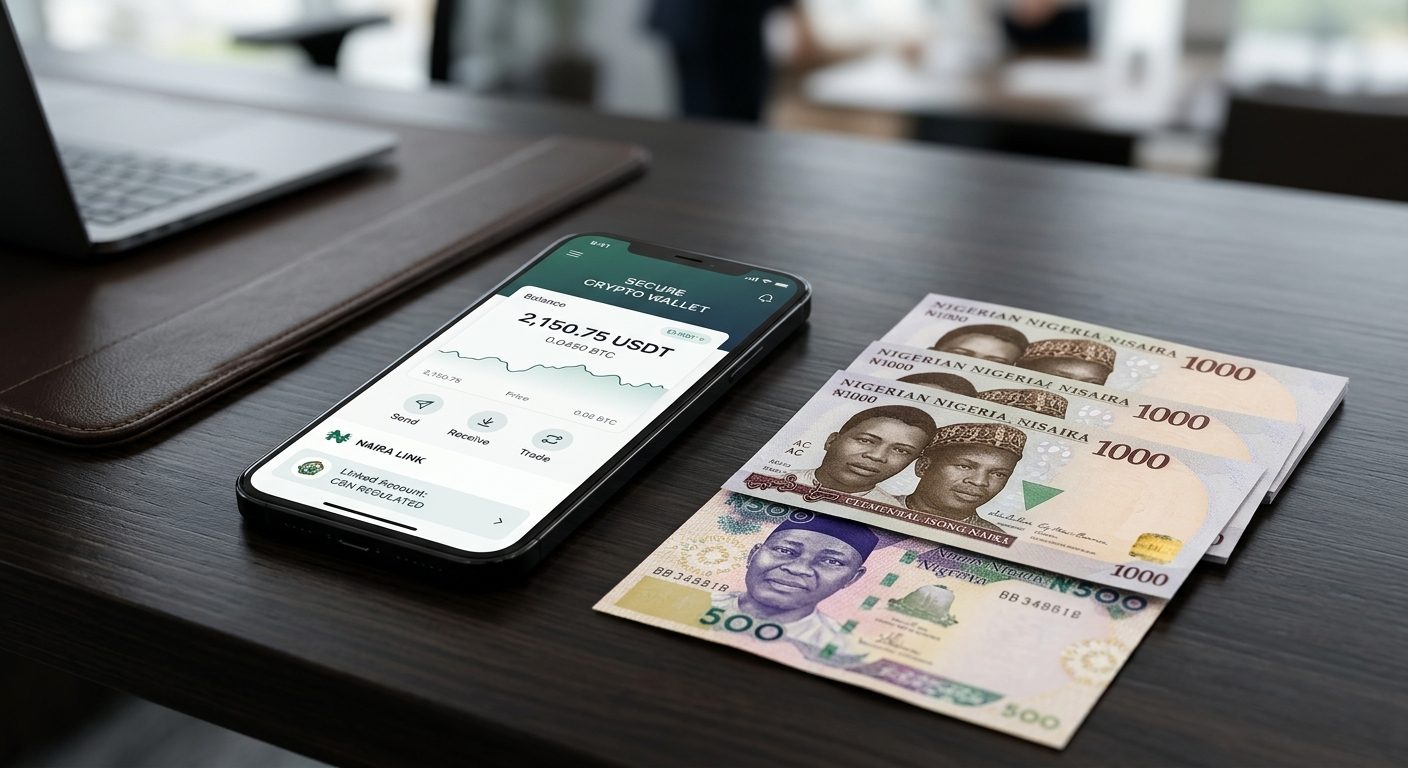
The regulatory landscape for digital financial transactions in Nigeria has undergone a significant transformation. The Central Bank of Nigeria has officially released an extensive and strict regulatory framework titled the Regulations for the Operations of Non-Security Virtual Assets in Nigeria. This sweeping policy, which became effective on November 5, 2026, aims to bring decentralized digital currencies, asset classes, and transaction methods completely under the supervision of the apex financial regulator. By implementing these measures, the apex bank intends to formalize the local Web3 sector, manage capital flights, and secure consumer safety while tracking speculative activities that touch the broader economy.
The most critical changes introduced on November 5 heavily target foreign-denominated digital currencies. Under the newly implemented CBN stablecoin rules, popular assets pegged to foreign currencies, such as USDT and USDC, have been categorized specifically as Class 2 digital tokens. To legally issue or trade these tokens within the country, companies must register locally and acquire a newly introduced Foreign Currency Issuer Licence. The entry barrier has been set intentionally high, requiring any prospective issuer to maintain a minimum paid-up capital requirement of ₦15 billion. Furthermore, these entities must secure a physical office within Nigeria, appoint resident compliance officers, and maintain verifiable reserves in traditional banking institutions to guarantee token redemptions.
Beyond token issuance, the framework cracks down on how daily transactions happen across the country by restructuring peer-to-peer marketplaces. The new Nigeria P2P crypto rules introduce mandatory compliance mechanisms designed to eliminate anonymity and curb fraudulent financial flows. P2P platforms must now verify that the exact legal name and Bank Verification Number linked to a trader's domestic bank account match their profile on the trading application before escrow assets can be safely released. This strict layer of identification effectively criminalizes the use of third-party bank accounts, proxy payments, and unverified mule profiles, forcing every participant to engage in transparent peer-to-peer settlements that can be easily audited by financial intelligence units.
These structural updates have a direct, far-reaching impact on multiple layers of the domestic tech-money ecosystem. Retail day traders, international freelancers, and local cross-border merchants who rely daily on the liquidity of a stablecoin Nigeria market to hedge against currency depreciation are facing immediate logistical hurdles. Similarly, domestic Web3 startups and foreign exchange platforms operating locally are heavily affected, as they must completely restructure their operations within a strict 180-day transition window or face severe penalties, including total asset freezes. The massive capital thresholds mean many local bootstrapped startups might be priced out of the legal market completely, forcing them to merge with larger entities or halt their local services altogether.
The sudden rollout of these guidelines has triggered intense debate across the Nigerian tech and finance sectors. Proponents of the policy argue that bringing digital assets under strict oversight is a vital step to stabilize the financial system and protect everyday citizens from catastrophic project failures or unregulated parallel foreign exchange speculations. Conversely, critics and industry advocates contend that the heavy financial penalties, expensive licensing costs, and intrusive tracking models will only stifle local technological innovation. They warn that instead of curbing peer-to-peer activities, the rigid constraints risk driving massive volumes of digital trade underground into unmonitored, informal channels like closed chat groups, making transactions significantly more dangerous for ordinary consumers.
Sources
Version 1.0. Kobo Daily stories are edited before publication and updated as facts change. Spotted an error? Tell our editors.