Dangote Refinery Exports 208,000 Tonnes of Petrol: What It Means for Nigerians.
Dangote Refinery Exports 208,000 Tonnes of Petrol: What It Means for Nigerians
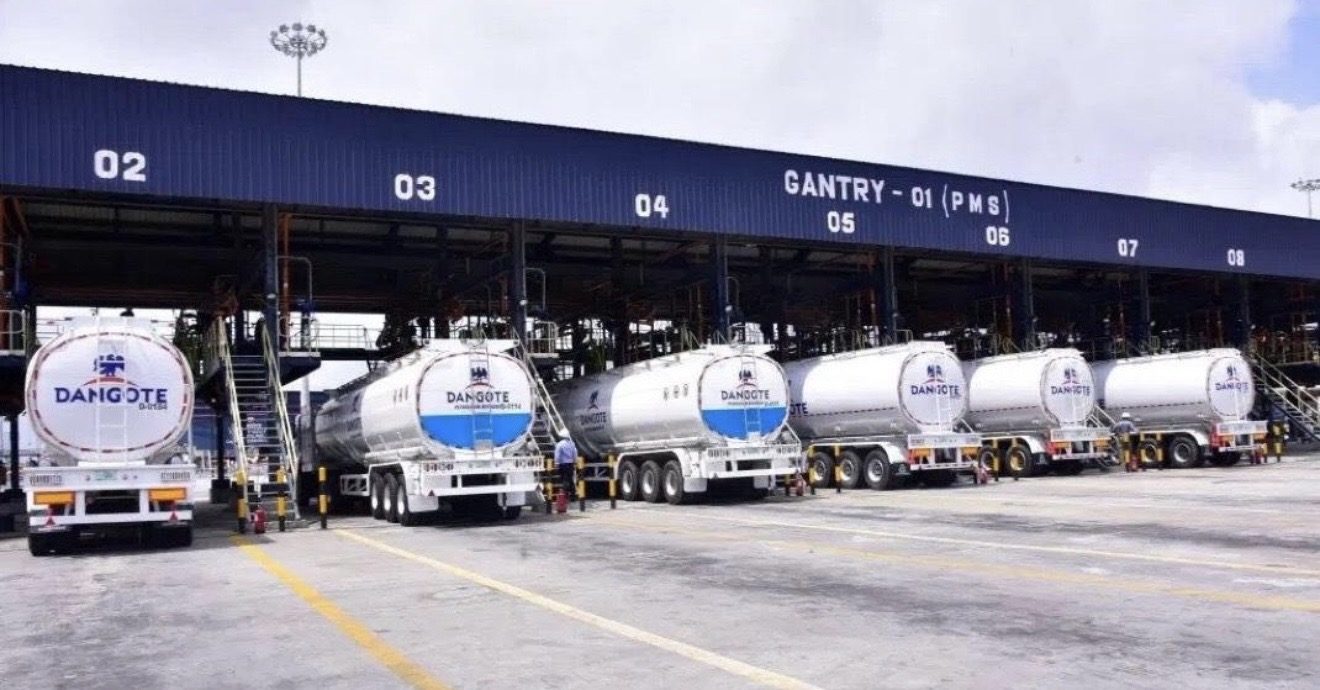
Nigeria’s Dangote Petroleum Refinery has exported at least 208,000 metric tonnes of petrol in five separate cargoes between October 30 and November 6, 2026. The development represents another significant step in Nigeria’s growing presence in the regional petroleum market, with most of the exported fuel heading to West African destinations.
According to a report by BusinessDay, five vessels transported the petrol, with each carrying between 40,000 and 44,000 tonnes. One of the identified destinations was Tema in Ghana, while other shipments were recorded as heading to West African markets.
This development is important because Nigeria has historically depended heavily on imported refined petroleum products despite being one of Africa’s major crude oil producers. For many years, the country exported crude oil and relied on foreign refineries to process much of the petrol consumed locally.
The Dangote Refinery is gradually changing this situation. With its large production capacity, the facility has the potential to reduce Nigeria’s dependence on imported fuel, conserve foreign exchange, create employment opportunities and strengthen the country’s industrial sector.
Beyond meeting local demand, the refinery’s growing export activities could also position Nigeria as an important supplier of petroleum products to neighbouring African countries. This could improve regional trade, attract more business opportunities and generate additional revenue for the country.
However, increased petrol exports also raise an important question for ordinary Nigerians: will the growth in exports translate into better fuel availability and more affordable prices at home?
The export figure alone does not establish whether Nigeria has enough petrol for domestic consumption. The report does not provide a direct comparison between the exported volumes and the refinery’s total production or local sales during the same period.
For consumers, the most important things to watch in the coming weeks are petrol prices at filling stations, the availability of fuel across different parts of the country, the volume of petrol supplied to the domestic market and whether Nigeria’s dependence on imported fuel continues to decline.
It is also worth watching whether the refinery maintains its export momentum and expands its supply relationships with other African countries.
Ultimately, exporting refined petrol is a positive development for Nigeria’s petroleum industry, but the real measure of success will be how much ordinary Nigerians benefit. A stronger refining sector should not only improve Nigeria’s position in international trade but also contribute to a more reliable and affordable fuel supply for people and businesses at home.
Sources
Version 1.0. Kobo Daily stories are edited before publication and updated as facts change. Spotted an error? Tell our editors.