Why debt worries across Africa are growing again
For a brief moment in the 2000s, Africa seemed to have escaped the debt trap. Debt relief programs like HIPC and MDRI wiped out billions, commodity prices were high, and public debt in sub-Saharan Africa fell to historic…
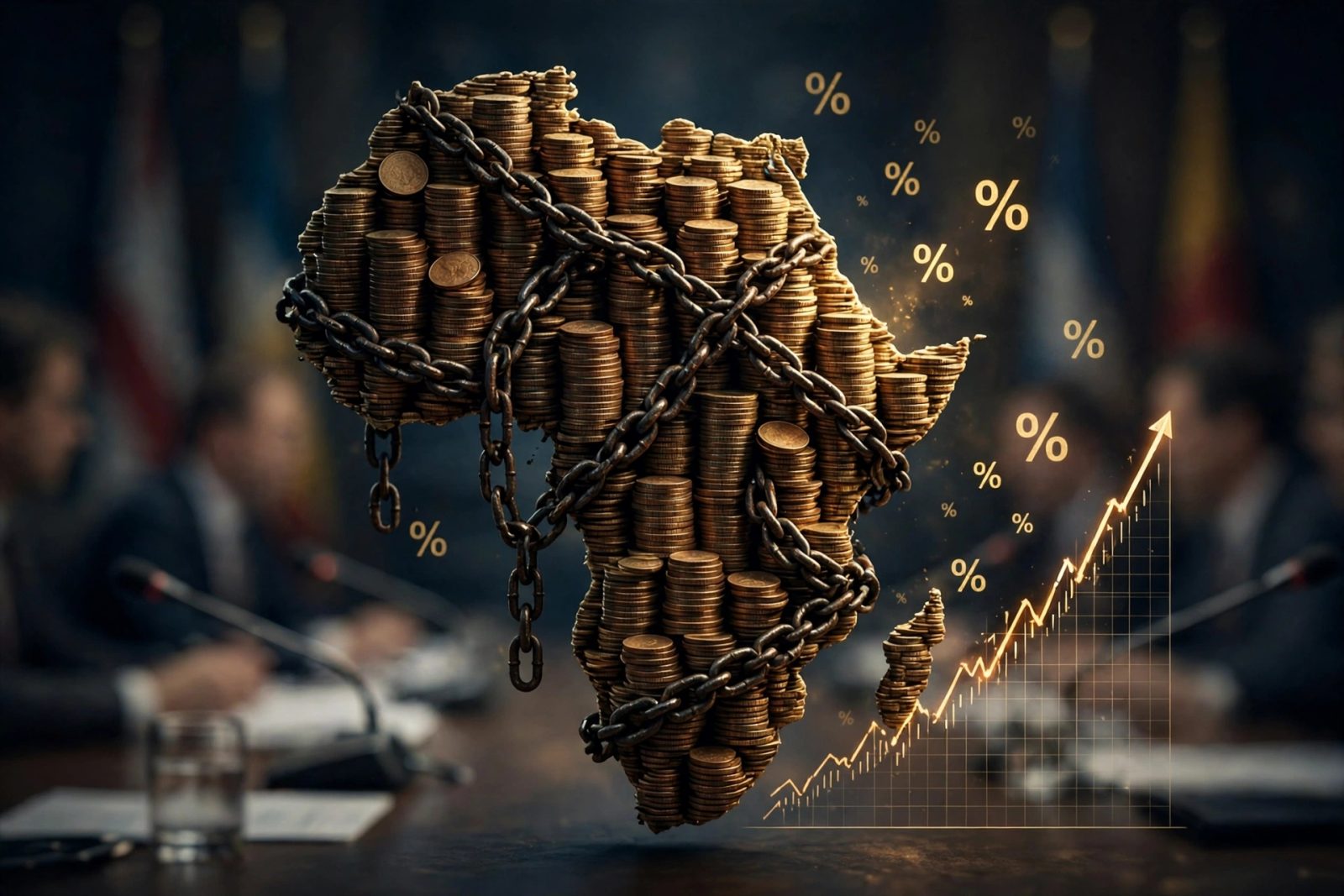
##For a brief moment in the 2000s, Africa seemed to have escaped the debt trap. Debt relief programs like HIPC and MDRI wiped out billions, commodity prices were high, and public debt in sub-Saharan Africa fell to historic lows. That era is now over. Public debt levels have been rising again since 2013, stabilized at a high level of about 60% of GDP in 2023, and the cost of carrying that debt is what is alarming governments today.
##The paradox defining the current crisis is simple and brutal: African countries are paying more to service less debt.
1. The cost, not just the size, of debt has exploded
At the IMF/World Bank Annual Meetings in Bangkok in October 2026, IMF Managing Director Kristalina Georgieva gave the clearest number of the week: in low-income countries, debt repayments now take about 14% of government revenue, more than double the level of 6% a decade ago, even though total debt levels have actually gone down.
The Chair of the G24, Nigeria's Finance Minister Taiwo Oyedele, put a price tag on the inequality: developing nations are paying roughly $500 billion more for their debt than developed countries.
Why? Because when the US Federal Reserve and other major central banks raised interest rates to fight inflation in 2022-2024, borrowing costs surged globally. Africa, seen as riskier, pays a huge premium. The African Forum and Network on Debt and Development (AFRODAD) found that in four out of five sub-Saharan countries, interest payments on public debt now exceed public spending on health, education or both. By end of 2025, external public debt service in the region had reached about 18.2% of export earnings, and 28 of the region's 48 countries were at high risk of debt distress or already in it. 4356
2. The debt itself has changed - and become riskier
In the 2000s, Africa borrowed mostly from concessional lenders like the World Bank and Paris Club at low rates. Today the creditor map is fragmented: Eurobond holders, China, private commodity traders, and crucially, domestic banks.
After COVID-19, with external financing expensive and aid falling, governments turned inward. The IMF says the shift towards greater domestic borrowing has become more pronounced since the pandemic, raising new concerns about debt vulnerabilities. Domestic debt is shorter-term, higher-interest, and it crowds out private businesses from getting loans. When a government borrows heavily at home, local banks lend to the state instead of to farmers and SMEs. c011
The AFD research group notes that three shocks accelerated this new borrowing: the fall in raw material prices that hit oil exporters like Angola and Congo, the COVID-19 pandemic that forced extra spending on health and recovery, and exchange rate depreciations that made dollar debts more expensive.
3. The restructuring system is too slow and too small
When Zambia defaulted in 2020, it took more than three years to reach a deal. Ghana and Malawi have faced similar delays. The G20 Common Framework, created to speed up restructurings, is widely seen as slow-moving and insufficiently ambitious. 0bad
In Bangkok, creditors said most restructurings started in 2021-22 are now nearly done, with Ethiopia's bond deal still pending, but new cases like Senegal and Malawi show the same problems: lack of sustained IMF engagement, complex creditor coordination, and a voluntary process that lets holdout creditors delay. bd156de2
AFRODAD's assessment is blunt: the meetings in Bangkok offered honest diagnosis but very little cure. The institutions now describe the pain of developing countries almost exactly as African ministers do, but they left the rules that cause much of that pain largely untouched.
- Austerity vs. development: an impossible choice.
The IMF and World Bank response has been to call for "fiscal consolidation" - cutting deficits and rebuilding buffers while protecting the vulnerable. Critics say this is austerity by another name.
"How are countries expected to invest in resilience, energy transition or social protection when they are required to cut spending?" asked debt analyst Daniela Berdeja during the Spring Meetings. AFRODAD argues African countries are facing solvency problems, not liquidity problems. Treating insolvency as a cash-flow problem risks pushing governments deeper into domestic borrowing. 0bad4356
The human cost is stark. "Every additional dollar spent on debt servicing is a dollar less for healthcare, education, social protection or climate adaptation," Berdeja noted. The World Bank itself warned that 1.2 billion young people will enter the global labour market in the next 10-15 years against only 400 million projected jobs, creating an 800 million jobs gap - a crisis felt most acutely in Africa where governments already have no fiscal space.
- New shocks, old vulnerabilities*
Heavily indebted countries have come under immense pressure this year, strained by supply shocks from the ongoing war in the Middle East, rising food prices triggered by a "super El Niño" and surging borrowing costs. At the same time, bilateral aid to sub-Saharan Africa is projected to fall by another 12% this year after a sharp cut in 2025.
The result is a vicious cycle: high debt costs restrain growth because countries do not have enough resources to finance further growth, or they are spending most of their resources just paying off the debt.
What Africa wants now
African negotiators are no longer asking for just relief. They are asking for a rewrite of the rules:
- Early restructuring as soon as debt becomes unsustainable
- Publication of IMF debt sustainability assumptions and thresholds
- A UN Framework Convention on Sovereign Debt to give borrowers equal voice with creditors
- And a new Borrowers' Platform, launched by UNCTAD in 2026, bringing together more than 30 developing countries to coordinate bargaining power.
Until then, the debt worry will keep growing, not because Africa is borrowing recklessly again, but because the global financial system still makes it more expensive for Africa to borrow, harder for Africa to restructure, and harder for Africa to grow out of debt.
Version 1.0. Kobo Daily stories are edited before publication and updated as facts change. Spotted an error? Tell our editors.