Kenya fuel price hike raises fresh money worries
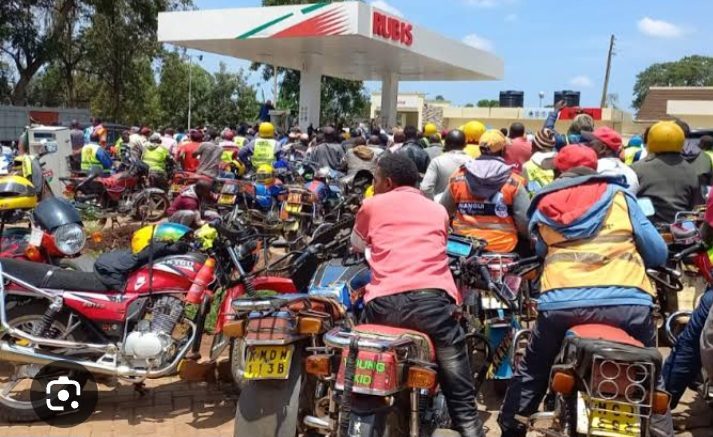
For many Kenyans, another rise in fuel prices is quickly becoming a problem that reaches far beyond the petrol station. The latest increase is putting additional pressure on commuters, businesses and families already trying to manage rising living costs.
Kenya’s Energy and Petroleum Regulatory Authority (EPRA) raised the maximum retail prices of petrol, diesel and kerosene for the period from October 15 to November 14, 2026. In Nairobi, petrol now has a maximum price of KSh226.96 per litre, while diesel is KSh227.76 and kerosene KSh219.87.
Africanews reports that petrol prices increased by about 6%, while diesel rose by about 4.5%. The increase has been linked to higher import costs and disruption in international energy markets caused by instability in the Middle East. Kenya depends heavily on imported petroleum products, meaning events far beyond its borders can have a direct effect on prices paid by consumers at home.
For people who depend on public transport every day, the timing is particularly worrying. Matatus use fuel to operate, and higher fuel expenses can increase pressure on operators to raise fares.
“If the fare goes up again, I will have to reduce spending on other things just to get to work,” a Nairobi matatu commuter said, describing the concern many passengers may face.
The impact could also extend to food prices. Diesel-powered trucks transport agricultural produce, manufactured goods and other supplies across Kenya. When fuel costs rise, transporting those goods becomes more expensive, potentially increasing the prices consumers pay in markets and shops.
Higher fuel prices can also affect small businesses that depend on generators, delivery vehicles and other fuel-powered equipment.
EPRA says the latest prices reflect the increased cost of imported petroleum products. The regulator's figures show that the landed cost of imported petrol rose substantially between August and September.
For ordinary households, the issue is therefore not simply the price displayed at a petrol station. It is about how much money remains after paying for transport, food and other basic needs.
As international oil markets remain under pressure, Kenyan consumers will be watching closely to see whether prices come down—or whether another increase could be on the way.
Sources
Version 1.0. Kobo Daily stories are edited before publication and updated as facts change. Spotted an error? Tell our editors.