Cyber Week Africa puts AI crime in focus as Nairobi summit calls for stronger cooperation
Cyber Week Africa 2026 closed in Nairobi with a clear warning for governments, businesses and ordinary internet users: artificial intelligence is making some cyber attacks more convincing, while stronger cooperation and basic verification habits remain essential to limiting the damage. The four-day gathering, held from 27 to 30 October, centred on “Cyber Threat Intelligence in the Age of AI.”
More than 1,200 people from 20 countries attended the event, according to Kenya Broadcasting Corporation (KBC). Participants came from government, industry, academia, non-profits and start-ups, and discussions addressed how AI could be used both to strengthen defences and to make criminal activity more effective.
An AI-enabled threat — and a defensive opportunity
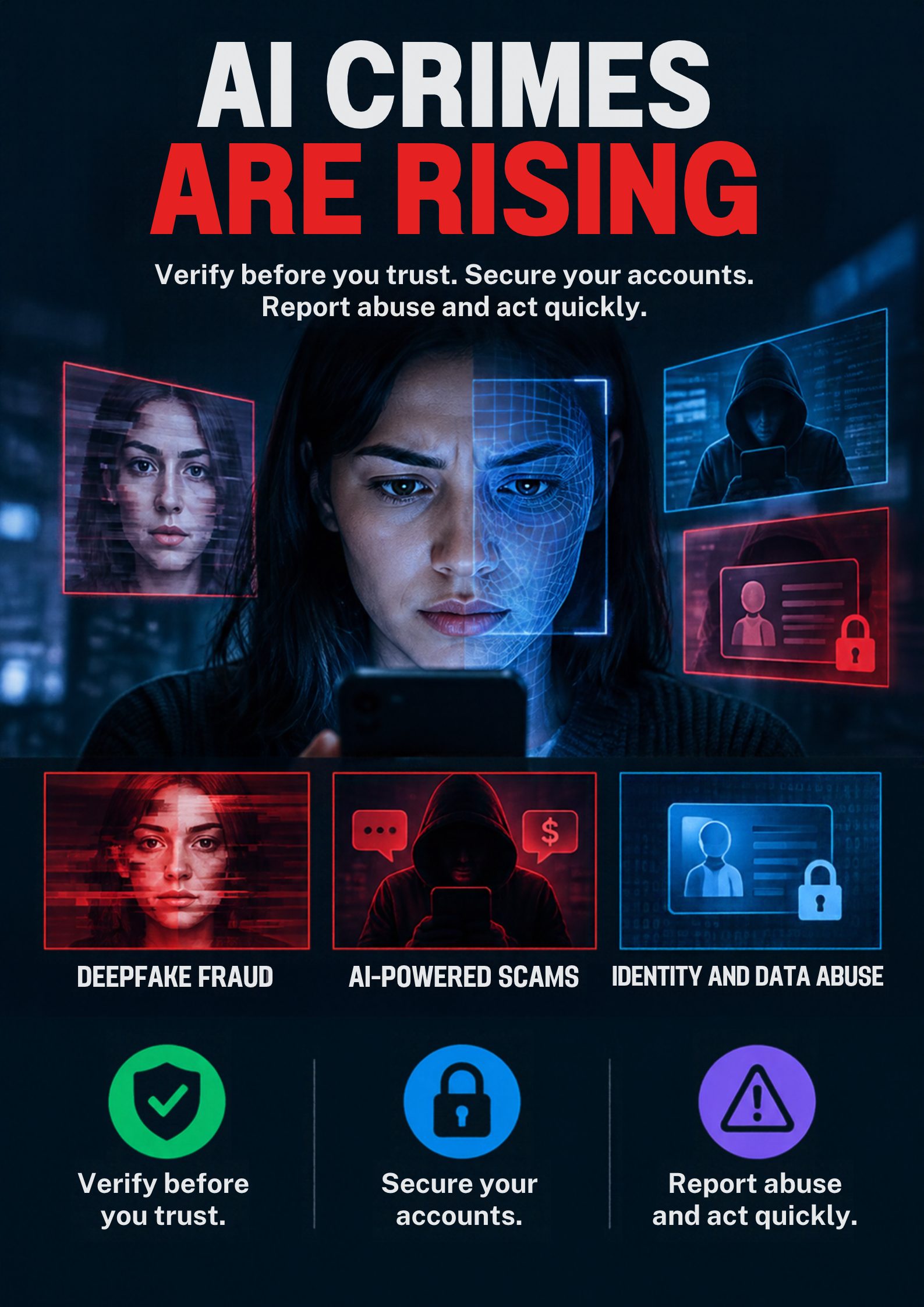
The summit’s message was not that artificial intelligence has invented cybercrime. Rather, accessible generative tools can help criminals scale familiar methods: impersonation, phishing, scams and attempts to steal personal or financial information. AI-generated text can make fraudulent messages more fluent, while synthetic audio or video can be used to imitate a relative, colleague or trusted institution. That can make a fake request for money or account access harder to recognise by appearance alone.
INTERPOL’s 2026 African Cyber threat Assessment describes a broader criminal ecosystem that includes ransomware, business email compromise, online scams and data breaches. Drawing on information from law-enforcement agencies in 36 African member countries, the report warns that AI-enabled phishing, deepfake deception and cybercrime-as-a-service are expanding the reach of criminal networks. It also notes that uneven technical capacity, legal frameworks and cross-border information sharing make investigations more difficult.
The risks are paired with an opportunity. Event participants discussed using AI and connected security systems to improve visibility, identify suspicious activity and speed up response. KBC reported that the summit’s closing declaration included actions intended to strengthen information-sharing. Speakers also stressed collaboration between government, regulators, law enforcement, industry and other stakeholders, rather than treating digital security as the responsibility of technology teams alone.
Skills, institutions and trust
The programme included a hackathon supported by Expertise France and the European Union, as well as cybersecurity awareness sessions delivered in 21 higher-education institutions ahead of the conference. KBC also reported the certification of 19 Kenyan SIM3 cyber auditors and the completion of network training by 21 government ICT officers. Those activities point to an important part of the response: stronger tools need trained people who can use them, share intelligence and coordinate across institutions.
The event was among the first major cybersecurity gatherings in Kenya since the establishment of the National Cyber Security Agency, KBC reported. The closing discussions highlighted stakeholder trust and cooperation, including engagement with sector regulators. These priorities matter because attacks can cross borders and affect interconnected services, while a single organisation may see only one part of a larger campaign.
Cyber Week Africa’s own programme described a wider agenda spanning financial crime prevention, critical infrastructure, data protection, fintech security, AI governance and cyber skills. Its stated aim was to connect policy discussions with practical resilience and regional collaboration.
A practical step for users
For individuals, the most useful response to a convincing message is to pause and verify it through a separate, trusted route. If a caller claims to be a family member, bank or public agency and urgently asks for money, a password, a one-time code or secrecy, do not use the link or phone number provided in that message. Open the official app yourself or call a number already known to be genuine. Kenya’s National Computer and Cybercrimes Coordination Committee advises users to slow down when asked for money, codes or remote access, and to check unexpected requests independently.
That advice is increasingly important because familiar warning signs such as poor spelling may be absent from AI-assisted scams. INTERPOL recommends staying calm, verifying identity through a known channel and using a private family “safe word” for suspicious emergency calls. It also advises enabling two-factor authentication on online accounts.
Cyber Week Africa’s central takeaway is therefore both institutional and personal: better threat intelligence and regional cooperation can help defenders move faster, but public trust depends on secure systems and informed users. In a digital economy growing across borders, a brief pause before clicking, paying or sharing a code can be a meaningful first line of defence.
Version 1.0. Kobo Daily stories are edited before publication and updated as facts change. Spotted an error? Tell our editors.