Zipline Taps Ex-Uber Executive to Lead Africa Expansion
Zipline Taps Ex-Uber Executive to Drive Africa’s Drone Delivery Expansion Zipline is preparing for a major expansion across Africa, appointing former Uber executive Anthony Le Roux to lead its operations as the company s…
# Zipline Taps Ex-Uber Executive to Drive Africa’s Drone Delivery Expansion
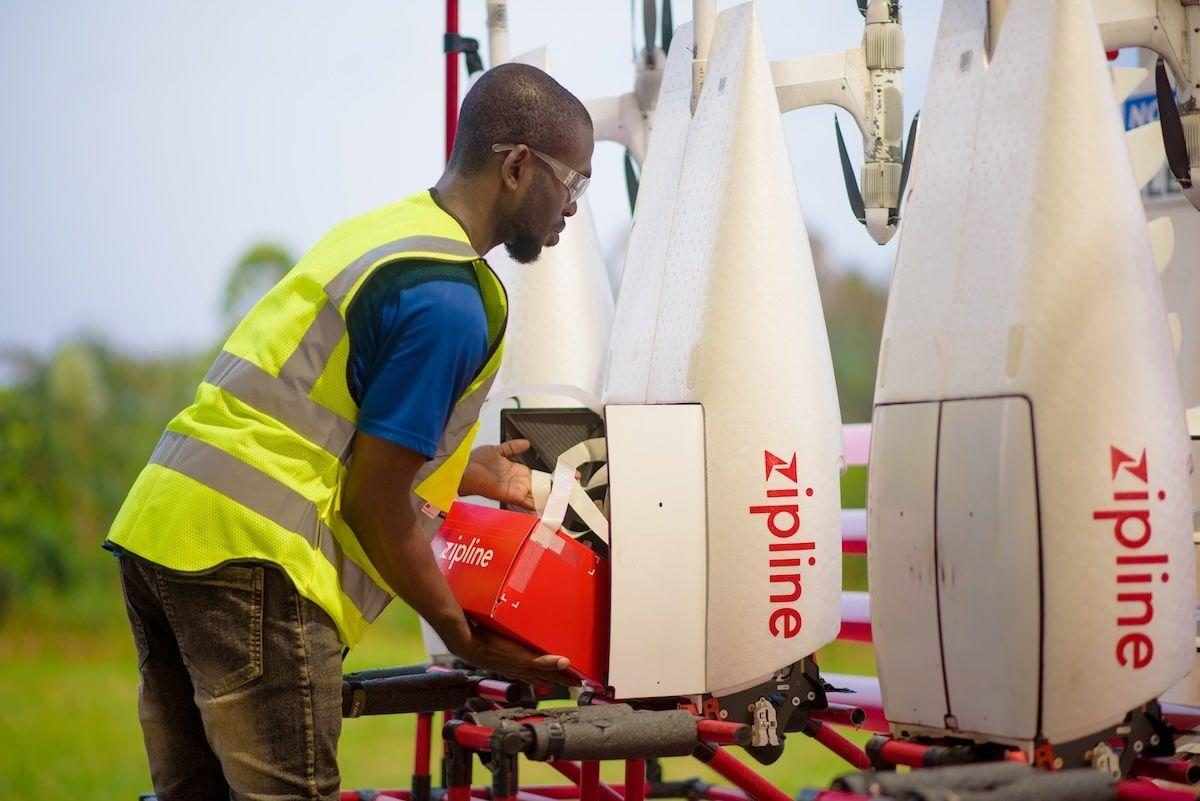
Zipline is preparing for a major expansion across Africa, appointing former Uber executive Anthony Le Roux to lead its operations as the company seeks to improve healthcare delivery and create new jobs.
Drone delivery company Zipline has appointed Anthony Le Roux, a longtime Uber executive, as its Head of Operations for Africa, starting in January 2027. His appointment comes as the company prepares for its largest expansion across the continent, aiming to make medical deliveries faster and more accessible to millions of people.
Le Roux spent 13 years at Uber, where he helped launch operations in Cape Town, managed businesses across Eastern Europe and later led operations in the Middle East and Africa. At Zipline, he will oversee a two-year expansion plan involving more than 20 new distribution centres, known as “nests,” across Africa.
The expansion is expected to reach more than 130 million people, serve approximately 20,000 health facilities and delivery locations, and create over 800 skilled jobs. Countries involved in the company's expansion plans include Rwanda, Ghana, Nigeria, Kenya and Côte d’Ivoire.
Zipline’s drone delivery service is particularly important for communities where poor roads, long distances and transportation challenges make it difficult for hospitals and clinics to receive essential medical supplies. Instead of relying entirely on road transportation, healthcare facilities can order products such as blood, vaccines and medicines and receive them through drone deliveries.
For patients and healthcare workers, this could mean fewer delays in receiving essential supplies, particularly in remote areas where transportation infrastructure remains limited. Faster deliveries could help medical staff respond more effectively to emergencies and improve access to healthcare services.
Zipline has already established operations in several African countries. Rwanda was among its earliest markets, while Nigeria, Ghana and Côte d’Ivoire have also become important parts of its network. The company is now looking to expand its infrastructure and strengthen partnerships with governments to support the growing demand for drone-based logistics.
However, expansion will not be without challenges. Zipline will need government approvals, reliable funding, strong local partnerships and sustainable operations to ensure its delivery network continues to function effectively. Financial challenges, including delayed government payments in some markets, have also raised questions about the long-term sustainability of its business model.
Beyond healthcare, Zipline is exploring the possibility of using its delivery infrastructure for groceries, prepared food and other consumer products in the future.
With Le Roux leading the expansion, Zipline is betting that drone technology can become more than a medical delivery solution. Its ambition is to build a logistics network that improves access to essential services, supports local employment and brings practical benefits to communities across Africa.
The success of this expansion will ultimately depend on whether the technology can consistently meet the needs of people on the ground.
Source: Techpoint Africa – Uber veteran to lead Zipline’s African expansion.
Sources
Version 1.0. Kobo Daily stories are edited before publication and updated as facts change. Spotted an error? Tell our editors.