What the US Visa Africa Hubs Shift Means for Abuja and Beyond
Beginning August 1, 2026, the U.S. Department of State realigned routine visa processing across Sub-Saharan Africa, moving standard immigrant and nonimmigrant applications away from 25 diplomatic posts—including Abuja —i…
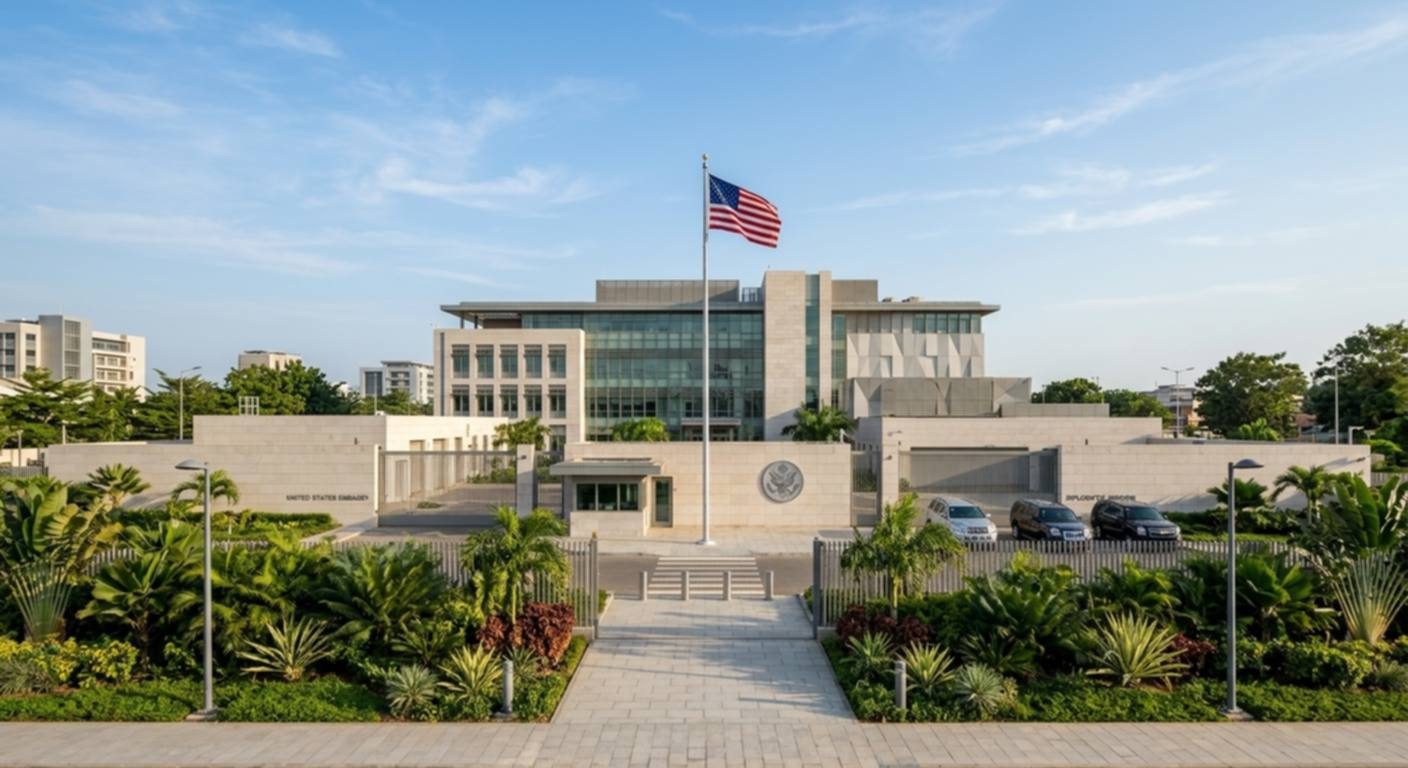
Beginning August 1, 2026, the U.S. Department of State realigned routine visa processing across Sub-Saharan Africa, moving standard immigrant and nonimmigrant applications away from 25 diplomatic posts—including Abuja —into 20 designated regional hubs. According to official guidance verified on the U.S. Department of State Newsroom and the U.S. Embassy and Consulate in Nigeria on November 15, 2026, these Abuja US visa changes centralize screening and vetting without closing affected embassies or invalidating existing visas.
##What Changed and When
The restructuring took effect on August 1, 2026, following an official State Department announcement on July 15, 2026. Under this directive, routine visa adjudication stopped at 25 U.S. embassies and consulates across the continent so consular officers can centralize screening resources in larger hubs.
Key operational adjustments include:
• Scope of Visas Affected. The move covers all routine nonimmigrant categories—such as tourist (B1/B2), student (F/M), exchange (J), and petition-based work visas—alongside immigrant categories, including family preference, employment-based, fiancé(e) (K), adoption, diversity, and follow-to-join refugee or asylee cases.
• Embassies Remain Open. Ending routine visa interviews does not close diplomatic missions. Posts losing routine processing continue offering American Citizen Services (ACS) as well as limited emergency and diplomatic nonimmigrant visa services.
• Valid Visas Unaffected. Any U.S. visa issued prior to the August 1 transition remains valid until its printed expiration date, meaning current visa holders do not need to reapply.
• Existing Restrictions Stand. Visa suspensions under Presidential Proclamation 10998, applicable visa bond rules (such as eligible Nigerian B1/B2 bond requirements), and nationality-specific immigrant visa pauses remain fully active.
##Which Cities Were Named
The State Department divided diplomatic posts across Sub-Saharan Africa into two groups: 25 locations ending routine processing and 20 designated regional visa hubs absorbing the workload.
The 25 posts ending routine visa services are Abuja (Nigeria), Antananarivo (Madagascar), Asmara (Eritrea), Bamako (Mali), Banjul (The Gambia), Bangui (Central African Republic, limited to emergency ACS), Bissau (Guinea-Bissau), Brazzaville (Republic of the Congo), Bujumbura (Burundi), Conakry (Guinea), Cotonou (Benin), Djibouti (Djibouti), Freetown (Sierra Leone), Gaborone (Botswana), Harare (Zimbabwe), Juba (South Sudan), Khartoum (Sudan, operations remain suspended), Libreville (Gabon), Lilongwe (Malawi), Lomé (Togo), Malabo (Equatorial Guinea), Mbabane (Eswatini), Monrovia (Liberia), Niamey (Niger), Nouakchott (Mauritania), Ouagadougou (Burkina Faso), and Windhoek (Namibia).
To handle the shifted volume, the State Department designated 20 regional visa hubs: Abidjan, Accra, Addis Ababa, Cape Town, Dakar, Dar es Salaam, Johannesburg, Kampala, Kigali, Kinshasa, Lagos, Luanda, Lusaka, Maputo, Nairobi, N'Djamena, Port Louis, Praia, Pretoria, and Yaoundé. For Nigerian applicants, routine interviews previously held at the U.S. Embassy in Abuja have transitioned to the U.S. Consulate General in Lagos.
##What Travellers Should Check Before Applying
Because the updated visa rules for Africans now frequently require domestic or cross-border travel for interviews, applicants should verify several requirements before paying fees or booking flights:
• Confirm Your Assigned Hub. Check the official State Department Nonimmigrant Visa Location or Immigrant Visa Location directories before starting your DS-160 or DS-260 form to confirm where your nationality or residence is assigned.
• Pay Fees to the Right Post. Machine Readable Visa (MRV) fees are post-specific and non-refundable. Make sure you pay through the scheduling portal linked directly to your designated regional hub rather than an old Abuja or local account.
• Plan Your Medical Exam. Immigrant and fiancé(e) visa applicants can still complete required medical examinations locally if an approved panel physician operates in their home country, or schedule them in their assigned hub city.
• Check Travel Logistics and Notifications. Ensure your passport is valid and verify whether you need a transit or entry visa to visit a regional hub outside your home country. If you already held a scheduled appointment at a realigned post, monitor your email closely for official rescheduling instructions.
Sources
Version 1.0. Kobo Daily stories are edited before publication and updated as facts change. Spotted an error? Tell our editors.