South Africans move from TV to digital platforms
Changing viewing habits in South Africa South Africans are increasingly turning to digital platforms for entertainment as traditional television faces growing competition for viewers’ attention. According to a report by…
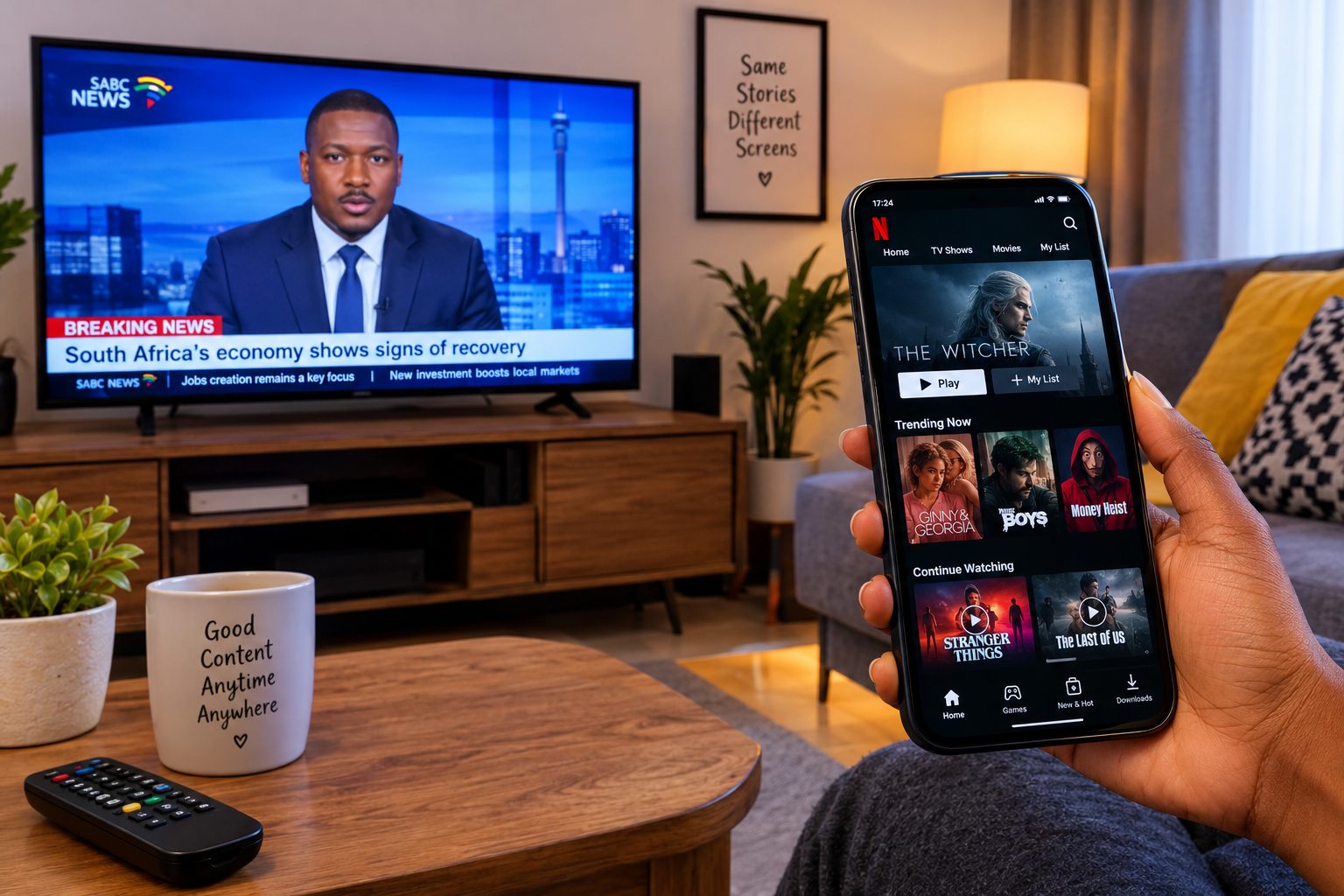
Changing viewing habits in South Africa
South Africans are increasingly turning to digital platforms for entertainment as traditional television faces growing competition for viewers’ attention. According to a report by EWN published on October 14, 2026, the latest PwC Africa Entertainment and Media Outlook 2026–2030 highlights how technology is changing the country’s entertainment industry.
Instead of waiting for a favourite programme to air on television, viewers can now watch videos on YouTube, stream series online or follow their favourite creators on social media. Many people also use their phones to catch up on news, comedy clips and entertainment while travelling, eating or relaxing at home.
This shift does not mean television has disappeared. Rather, audiences have more choices and are spreading their attention across different screens and platforms.
Why streaming and mobile devices matter
Smartphones and improved internet connectivity have made digital entertainment more accessible. Streaming platforms allow viewers to choose what they want to watch and when they want to watch it, instead of following a fixed television schedule.
For example, someone who misses a programme on television can watch available clips online, while another person might spend the evening watching a series on a streaming service. Short videos on social media also compete for the same free time.
However, South Africa streaming growth faces challenges, including subscription fees and the cost of mobile data. Some households may prefer free online content or continue relying on traditional television to manage expenses.
What this means for advertisers and creators
The changing media landscape is forcing advertisers to rethink how they reach consumers. Businesses that once depended mainly on television commercials can now promote products through social media adverts, online videos and partnerships with digital creators.
These platforms can help brands reach specific audiences and measure engagement, including views, clicks and interactions. However, advertisers must compete with countless other posts and videos for people’s attention.
For creators, the shift creates opportunities to build audiences, share original content and work with brands. A small creator who regularly posts relatable comedy, lifestyle tips or useful information can attract viewers without needing a traditional television programme.
The TV vs digital South Africa debate is therefore not simply about one platform replacing another. It is about how broadcasters, advertisers and creators adapt to audiences who expect convenient, relevant and engaging content.
The future of media
South Africa’s entertainment and media market is projected to grow from R301.8 billion in 2025 to R352.4 billion by 2030, according to PwC. Much of the industry’s changing direction reflects the growing importance of digital services and connectivity.
Ultimately, media habits Africa are evolving as technology gives people more control over how they consume entertainment. Traditional television can still attract audiences through live sports, major news events and popular programmes, but its future will increasingly depend on adapting to changing viewing preferences.
The companies and creators most likely to succeed will be those that understand their audiences and deliver content where people are already spending their time.
Sources
Version 1.0. Kobo Daily stories are edited before publication and updated as facts change. Spotted an error? Tell our editors.