Running on Fumes: Why Nigerian Factories Spent ₦1.34 Trillion Just to Keep the Lights On
For most Nigerian households, a power cut means firing up a small generator for a few hours in the evening, revert to a standard inverter or solar if they can afford this much.For the country’s factories, however, keepin…
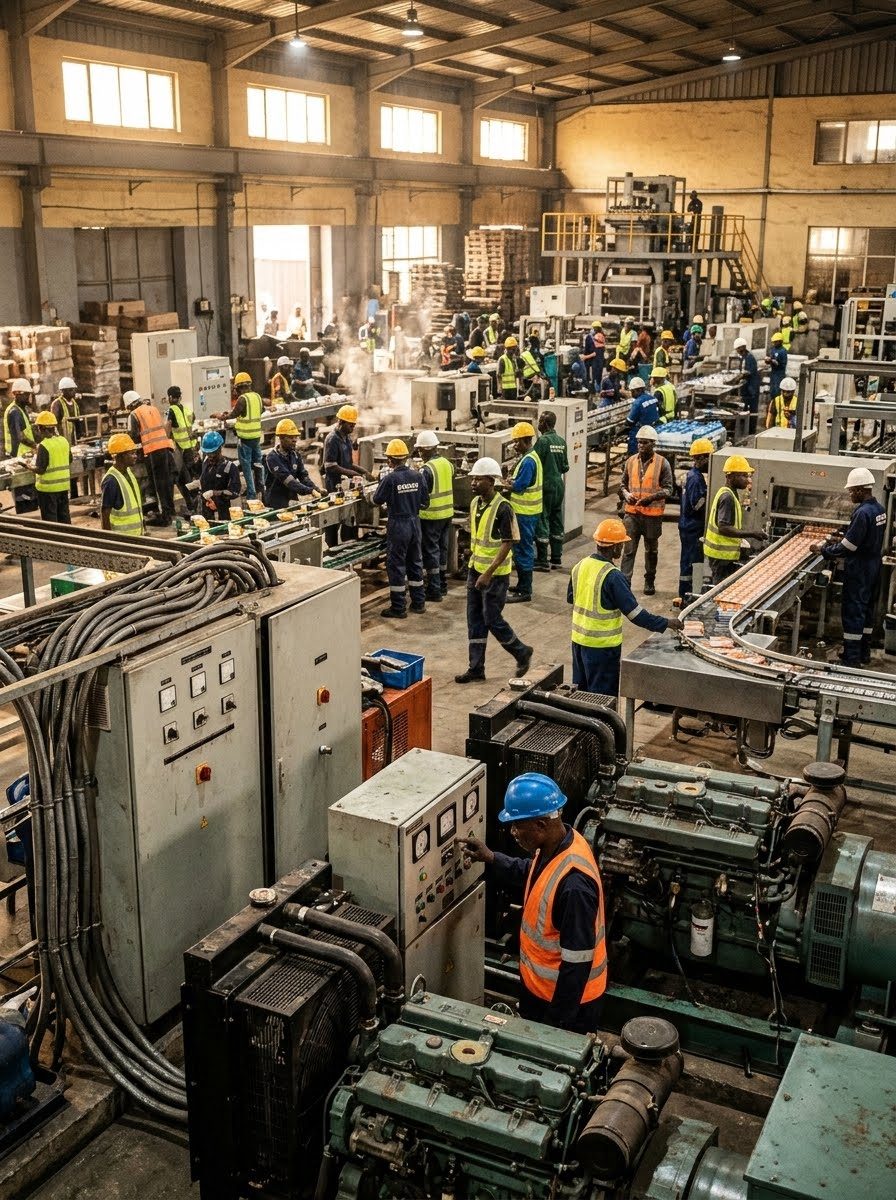
For most Nigerian households, a power cut means firing up a small generator for a few hours in the evening, revert to a standard inverter or solar - if they can afford this much.For the country’s factories, however, keeping machines running around the clock has turned into a massive financial drain that threatens everyday goods and local jobs.
According to exclusive industry data obtained by The PUNCH from the Manufacturers Association of Nigeria, local factories spent a staggering ₦1.34 trillion on off-grid electricity in 2025. That figure marks a sharp 21 per cent jump from the ₦1.11 trillion spent in 2024—and nearly double the ₦781.68 billion recorded in 2023. As escalating Nigeria power costs continue to squeeze industrial balance sheets, businesses are forced to pour capital into fuel rather than factory upgrades.
Why Factories Are Turning to Other Power Sources
A factory floor cannot afford sudden blackouts. If an assembly line at a bakery, bottling plant, or cement factory loses power mid-shift, entire batches of raw materials spoil and expensive machinery risks damage.
While grid electricity tariffs for top-tier industrial customers surged from around ₦68 per kilowatt-hour to over ₦200, the actual power supply remained erratic due to frequent national grid collapses and transmission disruptions. Faced with unreliable grid power alongside steep tariffs, manufacturers alternative power strategies have shifted from emergency backup to full-time survival. Today, factories rely heavily on diesel generators, gas-fired captive plants, and solar hybrids just to complete a standard production shift.
What Higher Power Costs Mean for Prices and Jobs
When a manufacturer spends billions of naira buying diesel and maintaining heavy-duty generators, those expenses do not vanish, they show up directly in the economy. As highlighted in a report by The Guardian Nigeria, MAN President Francis Meshioye warned that self-generation costs are eroding funds meant for new technology and expansion, pushing several plants toward scale-downs or outright closure.
For everyday Nigerians, this factory energy crisis hits home in two painful ways:
• Higher shelf prices. When it costs twice as much to power machines that package bread, sachet water, soap, or roofing sheets, companies pass those expenses on to shoppers at the market.
• *Fewer employment opportunities. Money spent burning diesel is money taken away from hiring new workers, raising staff wages, or opening new production lines.
Until the national grid delivers stable, affordable electricity, the factory energy crisis will remain one of the biggest hurdles to lowering inflation and protecting Nigerian jobs.
Sources
Version 1.0. Kobo Daily stories are edited before publication and updated as facts change. Spotted an error? Tell our editors.