Nvidia Board Reinstates Jensen Huang as CEO: Why This Corporate Story Matters in Africa
Nvidia’s board of directors has reinstated co-founder Jensen Huang as President and Chief Executive Officer, reversing its earlier decision to accept his resignation. The announcement, made on November 23, 2026, brings an end to an 11-day leadership disruption at one of the world’s most influential technology companies.
According to Nvidia’s official statement, the board voted unanimously to restore Huang to his leadership position after discussions and consultations with senior United States government officials. The directors said they were satisfied with his explanations and ability to lead the company.
Huang’s resignation had followed reports that he was the target of a foreign intelligence effort. However, his return does not mean all investigations have ended. Nvidia confirmed that an independent board committee will continue its investigation, while the company will also cooperate with ongoing government inquiries.
During his absence, Colette Kress served as interim CEO and continued her responsibilities as Chief Financial Officer. Following Huang’s reinstatement, she will return to her substantive finance role.
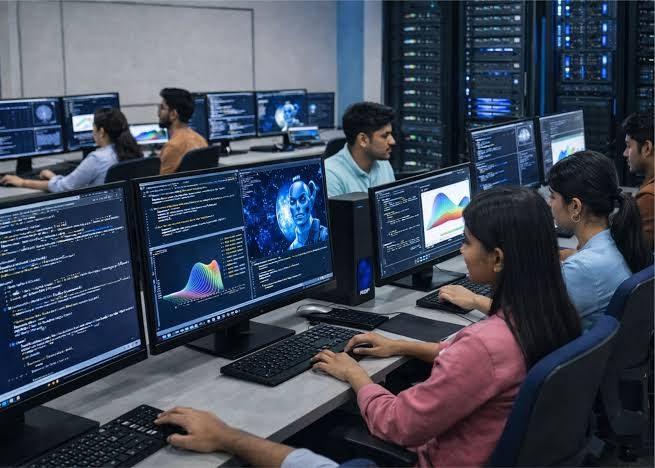
The development is significant because Nvidia plays a central role in the global artificial intelligence industry. Its graphics processing units (GPUs) power many of the advanced systems used to train and operate AI models, including technologies behind chatbots, image generators and business automation tools.
For Africa, particularly Nigeria, Nvidia’s leadership decisions matter because the continent is increasingly embracing artificial intelligence. Businesses, banks, universities and technology startups depend on access to reliable computing infrastructure to develop and operate modern digital services.
The availability and cost of AI chips can influence investment in data centres, cloud computing and technology innovation across African markets. Nigerian developers and businesses also rely on international technology companies to provide the infrastructure behind many AI-powered products.
Huang’s return therefore offers leadership stability, but questions surrounding corporate governance, national security and semiconductor exports remain important. Investors and technology professionals will be watching how Nvidia manages these challenges while maintaining its position in the global AI market.
For African businesses, the bigger lesson is that developments in major technology companies can influence the cost, accessibility and future direction of digital innovation worldwide.
Version 1.0. Kobo Daily stories are edited before publication and updated as facts change. Spotted an error? Tell our editors.