MTN Nigeria’s Power Costs Highlight the Hidden Expenses Behind Mobile Data
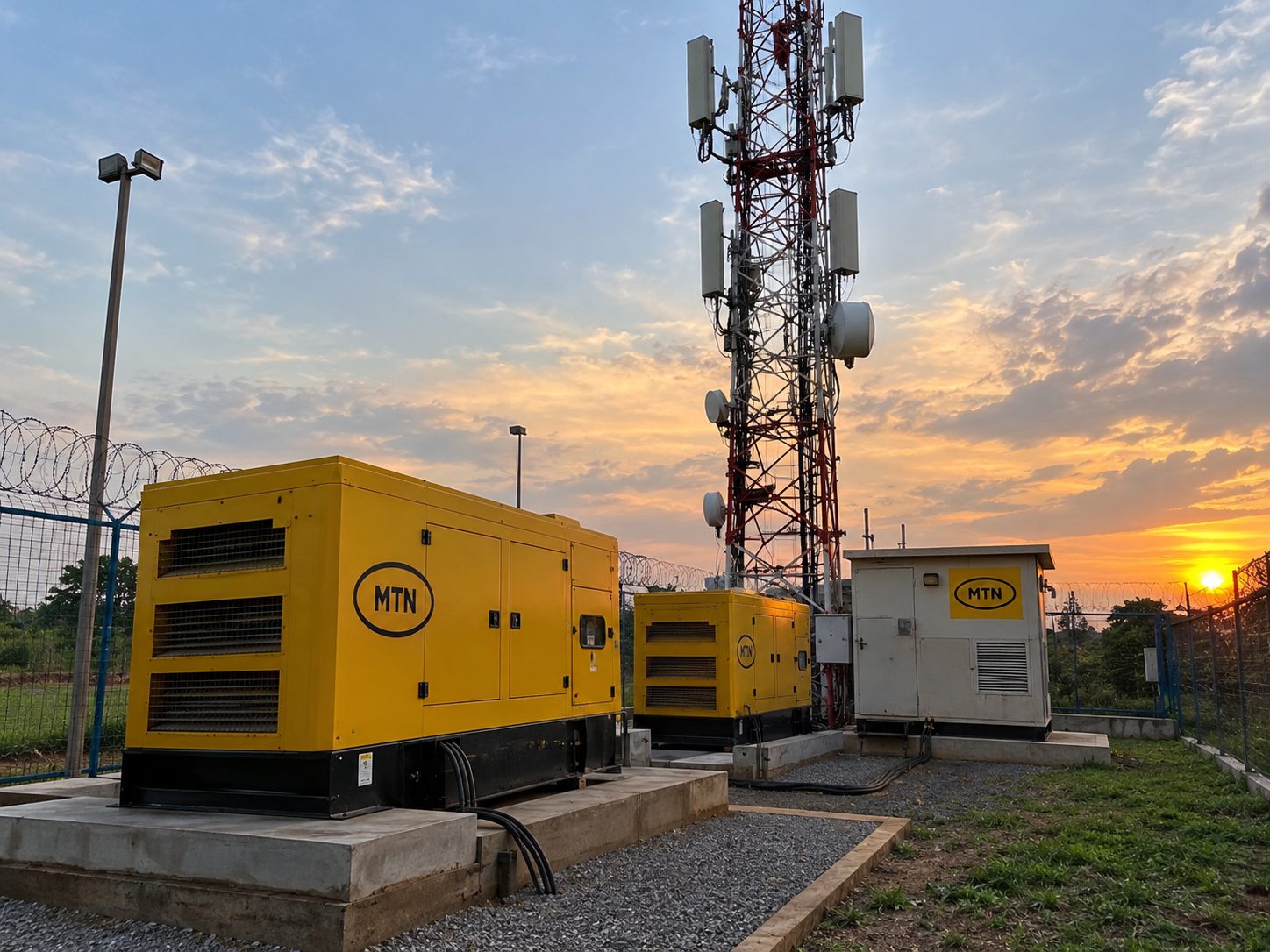
MTN’s Reported Power Spending Draws Attention
MTN Nigeria’s reported spending of about ₦4.05 trillion on power in 2025 has drawn attention to the rising cost of running telecommunications services in Nigeria. According to a report by Business day published on October 28, 2026, the company’s chief executive officer, Karl Toriola, highlighted electricity and infrastructure expenses during MTN’s Data on Trial event in Abuja.
The figure has renewed discussions about why Nigerians pay for mobile data and how much it costs telecommunications companies to provide reliable network services. However, the reported amount requires further clarification, as the report does not provide a detailed breakdown of the spending.
Why Power Is a Major Challenge for Telecoms
Telecommunications networks require a continuous electricity supply to operate. Mobile network towers, data centres and other communication facilities need power to transmit calls, messages and internet data to millions of subscribers.
In Nigeria, unreliable electricity supply means operators cannot depend entirely on the national grid. They may need generators, fuel and alternative power systems to keep their equipment running. These arrangements create additional expenses, including fuel purchases, transportation, equipment maintenance and repairs.
Toriola explained that Nigerian operators provide power and transportation to their network sites, adding that electricity costs are higher than in the United Kingdom. He also noted that operators use technologies similar to those deployed in Europe and the United States, despite facing different operating conditions.
This means that delivering telecommunications services in Nigeria involves more than installing network equipment. Companies must also find ways to keep their infrastructure running despite electricity challenges.
What This Means for Data Prices
High operating costs can put pressure on telecommunications companies. When electricity, fuel and maintenance become more expensive, operators have to find ways to manage their expenses while continuing to provide services.
These pressures may influence future pricing decisions, investment plans and the amount companies can spend on improving network quality. However, high power costs do not automatically mean that data prices will increase. Pricing decisions also depend on competition, regulation, customer demand and other business expenses.
For subscribers already struggling with the cost of living, any increase in data prices could make internet access more difficult to afford. Students, small businesses, remote workers and other people who depend on mobile internet could feel the impact.
At the same time, telecommunications companies must balance their operating expenses with the need to maintain reliable services and expand network coverage.
What Subscribers Can Do
During the Data on Trial event, MTN officials also explained how phone settings and online activities affect data consumption.
Mike Ndukwe, the company's general manager for Network Performance and Quality Assurance, said video streaming, automatic downloads and social media applications could consume significant amounts of data.
He explained that a 15-second TikTok video could use between 2MB and 20MB, depending on its resolution. High-definition videos generally consume more data than standard-definition videos.
Subscribers can reduce unnecessary consumption by lowering video quality, disabling automatic playback, restricting background data and turning off automatic media downloads on messaging applications.
These measures will not reduce the cost of operating telecommunications networks, but they can help customers make their data subscriptions last longer.
The Bigger Picture for Nigeria’s Telecom Industry
The reported power expenditure highlights the importance of reliable and affordable electricity to Nigeria's digital economy. Better electricity infrastructure could help reduce the burden on network operators and support the expansion of internet services.
For MTN and other telecommunications companies, the challenge is to control operating costs while investing in better coverage, faster connections and improved customer experience.
For consumers, the priority remains affordable data and dependable network services. As Nigeria becomes increasingly dependent on digital communication, addressing electricity challenges will be important to both the telecommunications industry and the millions of people who rely on it every day.
Version 1.0. Kobo Daily stories are edited before publication and updated as facts change. Spotted an error? Tell our editors.