Lumepay funding: South Africa startup targets Africa’s cross-border payments problem
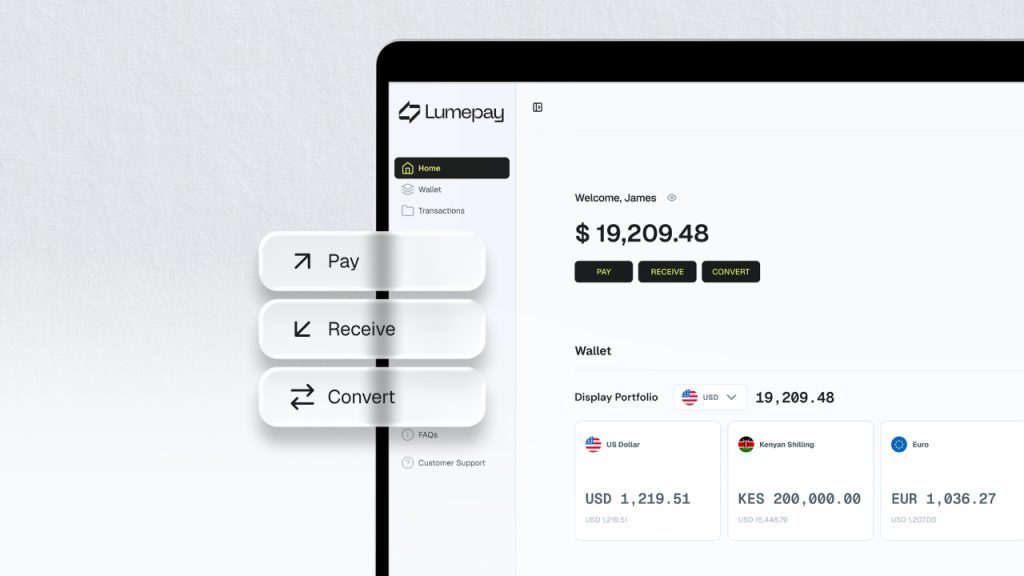
Sending funds across Africa can be slow, expensive, and fragmented compared to what it should be. Companies wishing to pay suppliers in another nation are required to tie in various financial institutions and other links, and all contribute towards adding delay and risk. In a study involving Ugandan consumers, this is further evidenced by the fact that most international retailers will not send any goods to Uganda due to logistics and payment challenges.
This is the problem that South African startup Lumepay believes it can solve. The company located in the Cape Town area has revealed that it has raised $6 million in pre-seed funding for its B2B cross-border payment solution, raised early in 2026 from angel investors and South African fintech investors. They also claim that they have been able to raise around $10 million in capital float to support liquidity needs of their clients.
What Lumepay provides
In April 2026, the company rolled out Lumetrade, an online exchange for assets and stablecoins, and in June followed up with a business cross-border payment solution, gaining a client base of 6,000 businesses and individuals. By integrating banking solutions with assets on the blockchain, the firm enables companies to make payments that are more cost-effective and faster. In October, it gained clearance from the Central Bank of Kenya and now allows Kenyan businesses to settle payments in Chinese yuan, US dollars, and Indian rupees. CEO Harry Huang attributes the problems to fragmentation, inefficiency of liquidity management, and execution risk.
Why the problem persists
The African payments ecosystem is fragmented. Every country has its regulator, licensing policies, and banking connections, meaning that a firm has to seek a license in each country. Launchbase Africa states that the fragmented nature of the regulatory environment in Africa, litigation, and strong incumbent firms pose threats to a young firm such as Lumepay. Moreover, the stablecoin environment creates additional risk factors, given that no communication was provided in respect of cross-border payments, meaning that policy making in this area still needs to be done.
What growth could mean
Apart from South Africa and Kenya, the firm operates in West and Central African CFA franc zones, Nigeria, Ghana, Tanzania, Malawi, and Mozambique. At the moment, the firm is preparing for a Series A investment round and intends to expand its regulatory presence in Southern, West, and Central Africa, with Malawi, Mozambique, and two CFA zones being priorities.
Execution of such a plan would lead to reduced cost of payments for African SMEs and lesser dependence on foreign banks for cross-border payment processing within Africa. The problem here lies in the fact that licenses, banking connections, and regulations will take longer than the money does.
Version 1.0. Kobo Daily stories are edited before publication and updated as facts change. Spotted an error? Tell our editors.