KENYA’S CEMENT PUSH BRINGS JOBS TALK TO KISUMU
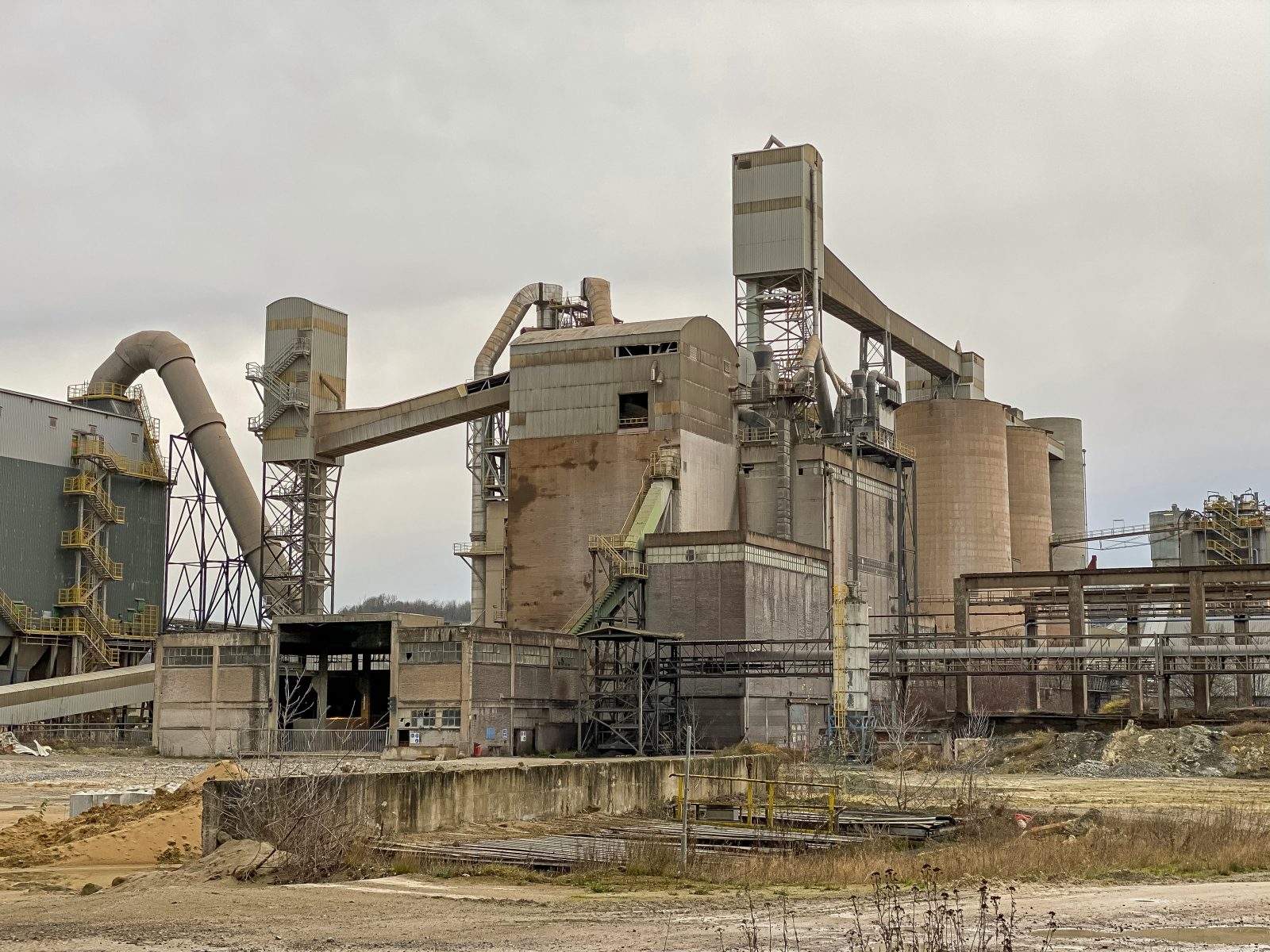
A proposed KSh59.98 million cement plant in Awasi, Kisumu County, could create more than 30 construction jobs and add another supplier to western Kenya's building materials market.
Mamba Cement Limited plans to establish a small-scale cement grinding and blending plant in the Nyando area, with capacity to process approximately 180 tonnes daily. If approved and completed, it would become the second cement plant in the Nyando belt, alongside the existing Rai Cement facility.
The proposal is part of growing interest in Kenya's cement industry, where manufacturers are seeking to serve demand from construction and infrastructure projects.
WHAT THE FACTORY PLANS TO PRODUCE
According to a report by Business Daily published on October 17, 2026, Mamba Cement plans to invest KSh59.98 million in the proposed facility.
The plant will use a closed-circuit ball mill to process clinker, limestone, gypsum and pozzolana into cement. Its planned capacity is 180 tonnes per day, with operations designed around a 24-hour schedule.
The company says it intends to sell its cement in local, national and regional markets, with western Kenya expected to account for most of its sales. Finished products would be transported through the Kisumu–Nairobi Highway.
At full capacity, the plant could process about 5,400 tonnes in a 30-day month. This is a calculation based on its proposed daily capacity, not a confirmed production or sales forecast.
WHY KISUMU MATTERS
Awasi is already part of an established industrial area in Nyando. The project assessment identifies nearby businesses and facilities, including Gogni (Seabud) Quarry, Stone Field Quarry, H. Young Quarry, Rai Cement and Prime Steel Mills.
The wider Nyando belt also hosts steel-making, sugar production and quarrying. Mamba says the presence of existing industrial facilities and access to raw materials influenced its choice of location.
For the company, being close to quarries and other industrial operations could support the sourcing and movement of materials needed for production. The highway connection also provides access to markets beyond Kisumu.
The investment comes as Kenya's cement market records increased demand. Monthly cement consumption reached 1.008 million tonnes in July 2026, up 13.5 per cent from 888,003 tonnes in July 2025, according to Kenya National Bureau of Statistics data reported by Business Daily.
JOBS AND LOCAL BUSINESS OPPORTUNITIES
The company's environmental assessment identifies more than 30 skilled and unskilled jobs during construction. However, it does not state how many permanent employees the factory would need once production begins.
That distinction matters for residents looking at the project as a source of employment. The construction figure is not a promise of more than 30 permanent factory positions.
The building phase could also create work for local transport operators, construction-material suppliers, equipment providers and other service businesses. Once the plant begins operating, demand for transport, maintenance and other support services could provide further opportunities, depending on the company's eventual supply arrangements.
The project has not yet received an environmental licence. The assessment says it may proceed only after identified concerns are addressed, mitigation measures are implemented and the National Environment Management Authority (NEMA) issues the necessary approval.
No construction start date or commissioning date has been disclosed. The proposed Awasi plant therefore remains at the environmental assessment and approval stage, with its eventual contribution to Kisumu's manufacturing sector dependent on receiving the necessary NEMA licence.
Version 1.0. Kobo Daily stories are edited before publication and updated as facts change. Spotted an error? Tell our editors.