Inside Nigeria’s Strategic Plan to Achieve 90% Local Internet Traffic Routing
The domestic tech space is buzzing following a major announcement from the Internet Exchange Point of Nigeria at its twentieth-anniversary celebration in Lagos. The apex exchange body declared a strategic long-term roadm…
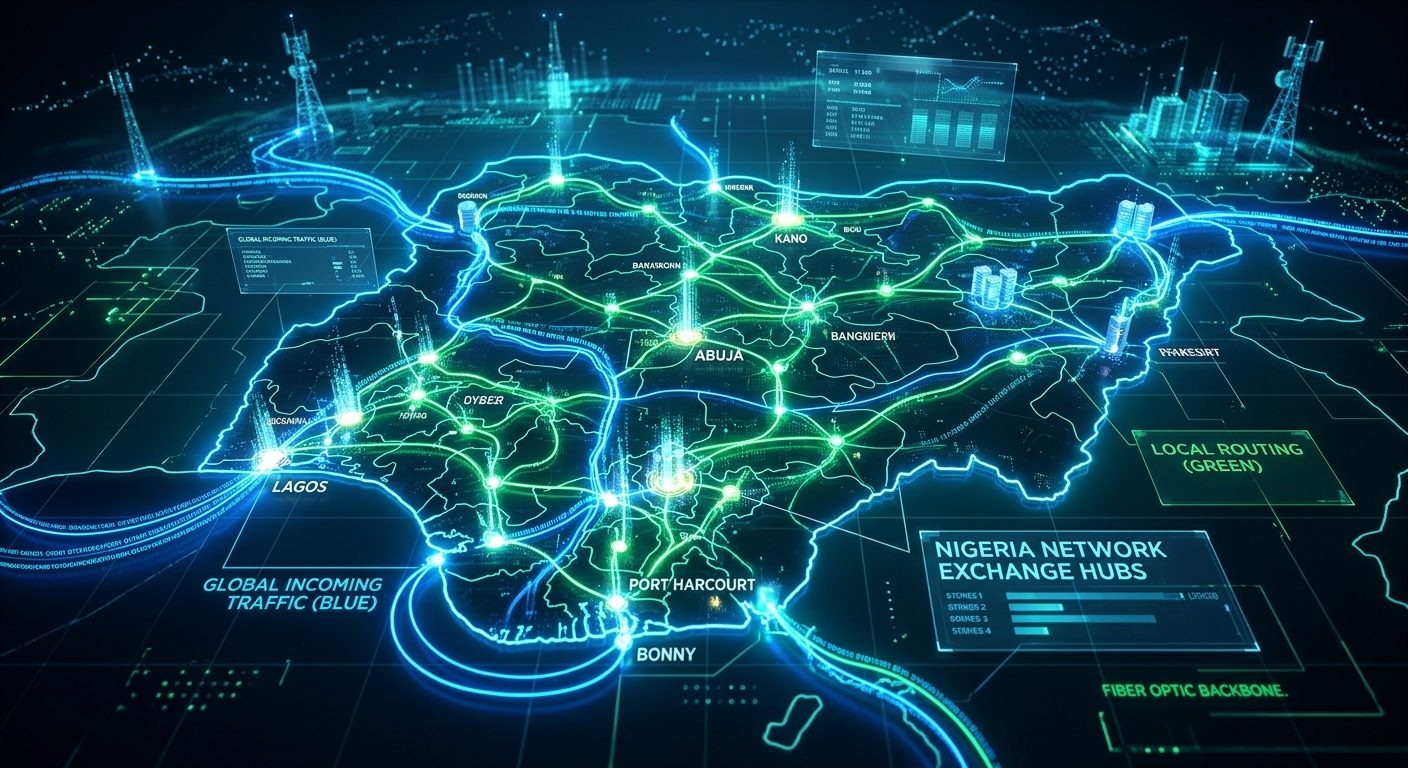
The domestic tech space is buzzing following a major announcement from the Internet Exchange Point of Nigeria at its twentieth-anniversary celebration in Lagos. The apex exchange body declared a strategic long-term roadmap to keep more digital interactions inside the country, setting an ambitious target to ensure that Nigeria internet traffic reaches 90 percent domestic routing by the year 2046. Right now, about 70 percent of our virtual requests stay local, which already saves the nation roughly $40 million annually in international transit fees. Pushing that threshold even higher represents a deliberate shift toward complete digital sovereignty, economic independence, and infrastructural maturity across our local telecommunications landscape.
To understand why this matters, it helps to look at what local traffic actually means in our everyday digital activities like streaming movies, banking online, or browsing social media apps. When you open a banking application in Lagos to transfer money to a friend in Abuja, that request does not need to travel across a submarine cable to a server in London or New York before returning to Nigeria. Instead, through local internet routing, the data remains within our borders by passing directly between domestic internet service providers and telecommunications operators. By eliminating the need for data to travel across oceans, local routing creates a shorter, much more secure data path that functions like a direct highway rather than an international detour.
This structural upgrade delivers massive, practical benefits for everyday internet users and growing startups across the country, especially regarding speed, cost, and monthly data use. For regular consumers, keeping data inside local networks drastically cuts down latency, which is the time it takes for a server to respond to your click. This means your banking transactions process faster without hanging, video streaming becomes smoother without constant buffering, and web pages load instantly. For tech startups, reduced reliance on international bandwidth providers significantly lowers the cost of maintaining online platforms, freeing up valuable financial resources that founders can reinvest into local product innovation and business scaling.
Achieving this 90 percent benchmark relies heavily on expanding the capacity of world-class data centres Nigeria continues to build and manage within its borders. These modern physical facilities house the heavy computer servers, storage systems, and cloud infrastructure required to host popular digital content locally rather than relying on foreign storage networks. As more international tech giants and domestic developers store their applications directly inside local server hubs, the cost of broadband will continue to drop, making internet access far more affordable for homes, schools, and offices nationwide. It is a bold, calculated blueprint that secures our digital future and transforms the country into Africa's primary content hub.
Sources
Version 1.0. Kobo Daily stories are edited before publication and updated as facts change. Spotted an error? Tell our editors.