Gold Lifts Ghana Export Earnings Again as Revenue Hits US$30.4 Billion
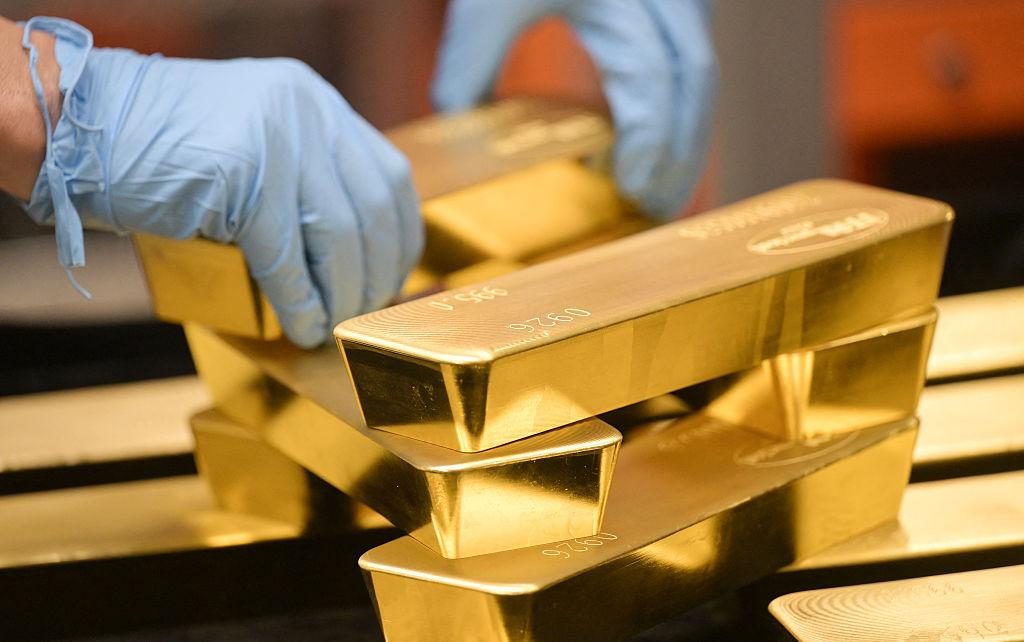
Ghana's export earnings have climbed to a record US$30.42 billion in the first ten months of 2026, with gold accounting for the largest share of the country's foreign exchange income.
The latest figures, reported by 3News on November 18, 2026, show that Ghana earned significantly more from exports between January and October than it did during the corresponding period in 2025. The increase highlights the growing importance of the mining sector to the country's economy, particularly as gold continues to outperform other major export commodities.
According to the Bank of Ghana's November 2026 Summary of Economic and Financial Data, total export earnings increased from US$23.36 billion in January–October 2025 to US$30.42 billion in the same period of 2026.
Gold alone generated US$20.92 billion, representing nearly 69 per cent of Ghana's total export earnings during the period.
The development is significant for an economy that depends on international trade to generate foreign exchange, support imports and strengthen its external financial position. However, it also raises questions about Ghana's growing dependence on gold and the need to expand other export industries.
##Ghana's Export Earnings Rise by Almost 30 Per Cent##
Ghana's export performance recorded a substantial improvement in the first ten months of 2026.
The country's total export earnings increased from US$23.36 billion in the corresponding period of 2025 to US$30.42 billion in 2026. This represents an increase of approximately US$7.06 billion, or 30 per cent.
In simple terms, Ghana earned about US$7 billion more from exporting goods during the first ten months of 2026 than it did during the same period a year earlier.
The latest performance also brings the country's ten-month export earnings close to the US$31.25 billion recorded for the whole of 2025.
This means Ghana generated export earnings equivalent to approximately 97 per cent of its entire 2025 total within just ten months of 2026.
The figures indicate strong growth in the country's external trade performance, although the final outcome for the year will depend on export activity during the remaining months.
The increase was largely driven by gold, while cocoa and crude oil also recorded improvements.
According to the Bank of Ghana figures reported by 3News, the country's export performance reflects the continued importance of natural resources to its foreign exchange generation.
##Gold Accounts for Nearly 69 Per Cent of Ghana's Export Earnings##
Gold remains the biggest contributor to Ghana's export revenue, generating US$20.92 billion between January and October 2026.
This compares with US$15.25 billion recorded during the same period in 2025, representing an increase of approximately US$5.67 billion.
The figures mean that nearly seven out of every ten dollars Ghana earned from exports during the ten-month period came from gold.
Gold's importance to Ghana is not new. The country has a long history of gold mining and remains one of Africa's major gold-producing nations.
The mineral is exported to international markets, where it is used in jewelry, investment products, electronics and other industrial applications.
International demand and changes in global gold prices can influence how much Ghana earns from exporting the commodity.
When international gold prices rise, Ghana can potentially earn more from the same quantity of gold sold abroad. However, export earnings are also affected by production volumes, the quality of the mineral, mining costs and the exchange rate.
The latest figures therefore demonstrate how strongly gold is influencing Ghana's position in international trade.
How Much Do Other Major Exports Contribute?
Although gold dominates the export figures, Ghana also earns foreign exchange from cocoa, crude oil and other products.
The latest figures show the following contributions:
Export commodity Jan–Oct 2026 earnings
Gold US$20.92 billion
Crude oil US$3.28 billion
Cocoa US$3.17 billion
Other exports US$3.04 billion
Total US$30.42 billion
Source: Bank of Ghana November 2026 data, as reported by 3News. Figures rounded.
Gold's contribution is considerably larger than that of the other major commodities.
For comparison, cocoa and crude oil together generated approximately US$6.45 billion, which is less than one-third of the revenue earned from gold.
Cocoa remains an important part of Ghana's agricultural economy and has historically been one of its most recognized export products. Crude oil also contributes to foreign exchange earnings through international sales.
However, the latest figures show that neither commodity currently comes close to gold's contribution.
##Why Gold Matters So Much to Ghana's Economy##
Gold plays several important roles in Ghana's economy, particularly in foreign exchange generation, employment, mining investment and international trade.
1. Gold provides foreign exchange
Ghana needs foreign currencies, particularly US dollars, to pay for imported goods and services.
These include petroleum products, machinery, industrial equipment, medicines and other essential items.
When gold is exported, payments from international buyers can increase the supply of foreign exchange entering the country's economy.
This can help support the country's external financial position and reduce pressure associated with limited foreign currency availability.
2. Gold supports government revenue
Mining activities contribute to government finances through taxes, royalties, fees and other payments.
Companies operating in the sector also support economic activity through investments in mining operations, infrastructure and related services.
When production and sales increase, government revenue can benefit, although the actual amount collected depends on tax arrangements, operating costs and the applicable fiscal rules.
3. Gold creates employment opportunities
The mining industry provides employment for people working in exploration, extraction, processing, transportation, engineering and other related activities.
It also creates business opportunities for suppliers, contractors and service providers.
Small-scale mining is another important part of Ghana's gold industry, although it requires effective regulation to address environmental and safety concerns.
4. Gold attracts international investment
Ghana's mineral resources continue to attract international mining companies and investors.
Investment in the sector can support the development of mining infrastructure, introduce new technologies and improve production capacity.
However, the long-term economic benefits depend on how much value is retained within Ghana rather than transferred abroad.
##What Stronger Export Earnings Mean for Ordinary Ghanaians##
An increase in export earnings is generally positive for an economy, but its benefits are not necessarily felt immediately by every household.
One important benefit is the potential improvement in foreign exchange availability.
When exporters bring more foreign currency into the economy, it can help support the country's ability to pay for imports.
For businesses that depend on imported machinery, raw materials and equipment, improved foreign exchange conditions may make international transactions easier.
Stronger export performance can also support the country's trade balance, which measures the difference between the value of goods exported and goods imported.
For Ghana, the latest figures show that exports grew faster than imports during the first ten months of 2026.
This contributed to a wider trade surplus.
However, ordinary consumers should not automatically expect lower food prices, cheaper fuel or an immediate improvement in household income simply because export earnings have increased.
The effect on everyday living conditions depends on several other factors, including inflation, exchange-rate movements, government spending, employment growth and the prices of imported goods.
In other words, higher export earnings can create opportunities for economic improvement, but the benefits must be managed effectively to reach businesses and households.
##Ghana Records a US$13 Billion Trade Surplus##
Another important development accompanying the increase in export earnings is Ghana's improved trade balance.
The country recorded a trade surplus of approximately US$13.02 billion between January and October 2026.
This compares with US$8.74 billion during the corresponding period in 2025.
A trade surplus occurs when a country earns more from exporting goods than it spends importing them.
Ghana's trade performance: January–October
2026 exports
US$30.42bn
2026 imports
US$17.39bn
2026 trade surplus
US$13.02bn
2025 trade surplus
US$8.74bn
Source: Bank of Ghana November 2026 data, as reported by 3News.
Ghana's import bill also increased, rising from US$14.62 billion in the first ten months of 2025 to US$17.39 billion in 2026.
Oil imports accounted for approximately US$6.37 billion, while non-oil imports amounted to around US$11.02 billion.
Despite the increase in imports, export earnings remained significantly higher, allowing Ghana to maintain a substantial trade surplus.
A wider surplus can help strengthen the country's external position by providing more resources to meet international payment obligations.
However, the trade surplus alone does not tell the entire story of the economy. It does not automatically mean that government finances are balanced or that every sector is performing well.
##What About Ghana's Foreign Exchange Reserves?##
Although Ghana's export performance improved, the country's international reserves recorded a slight decline.
The Bank of Ghana's figures showed that gross international reserves stood at approximately US$11.90 billion at the end of October 2026, compared with US$12.07 billion in September.
The October figure was sufficient to cover approximately 4.4 months of imports.
This is an important distinction because strong export earnings do not automatically translate into an immediate increase in foreign exchange reserves.
Reserves are influenced by several factors, including foreign currency inflows and outflows, debt-related payments, central bank operations and other international transactions.
The decline therefore shows why policymakers must continue monitoring the country's external position even when export figures are improving.
##The Risk of Depending Too Heavily on Gold##
Despite the impressive export performance, Ghana's growing dependence on gold also presents an economic challenge.
When one commodity accounts for such a large share of export earnings, changes in its international price can have significant consequences for the country's economy.
For example, a major decline in global gold prices could reduce Ghana's export earnings, even if mining companies maintain similar production levels.
The Ghana Statistical Service has previously highlighted the risks associated with concentrating export earnings around a small number of commodities.
According to its merchandise trade statistics, gold accounted for approximately 63.1 per cent of Ghana's total exports in 2025. This raised concerns about the country's exposure to fluctuations in international commodity prices.
Ghana therefore needs to strengthen other export industries, particularly agriculture, manufacturing and agro-processing.
Expanding cocoa processing, developing local industries and encouraging the export of finished products could help the country earn more from its natural resources.
Another important consideration is ensuring that more value from gold production remains within Ghana through local refining, responsible mining and stronger domestic participation in the mining supply chain.
The Ghana Gold Board (GoldBod) has also highlighted efforts to improve local gold trading, testing and refining to retain more economic value within the country.
##What Should Ghana Do to Sustain the Growth?##
Maintaining strong export earnings will require more than relying on favorable gold prices.
The country needs policies that encourage sustainable production, strengthen local industries and improve the competitiveness of its exports.
Some important priorities include:
• Diversifying exports: Ghana should expand agricultural processing, manufacturing and other industries to reduce dependence on gold.
• Supporting local businesses: Small and medium-sized enterprises need better access to finance, technology and international markets.
• Improving mining regulation: Effective oversight can help address illegal mining, environmental damage and revenue losses.
• Increasing local processing: Processing more minerals and agricultural products within Ghana can create additional jobs and retain more value domestically.
• Encouraging responsible investment: Mining investments should support employment, infrastructure development and environmental protection.
• Strengthening trade relationships: Ghana can benefit from expanding access to international markets through regional and global trade agreements.
These measures could help turn stronger export earnings into more sustainable economic growth.
Version 1.0. Kobo Daily stories are edited before publication and updated as facts change. Spotted an error? Tell our editors.