Ghana Fraud Awareness Week Highlights Rising Online Scams and Financial Risks
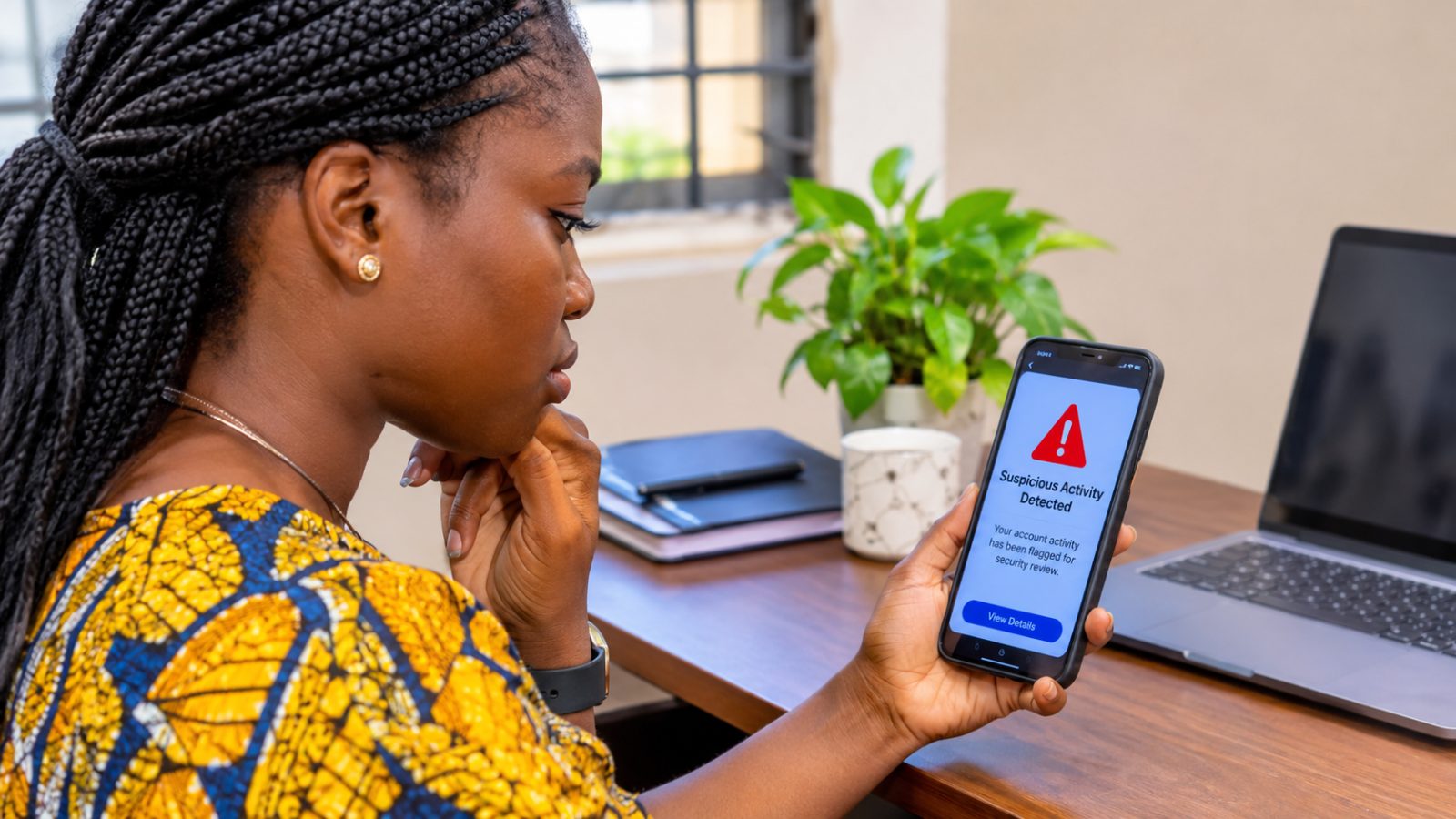
A sharp increase in reported financial fraud cases in Ghana has renewed calls for stronger public awareness as criminals increasingly exploit mobile money services, online banking, social media and other digital platforms.
The Association of Certified Fraud Examiners (ACFE) Ghana Chapter raised the alarm during its 2026 Fraud Awareness Week campaign, urging individuals, businesses and financial institutions to make fraud prevention a shared responsibility.
The campaign, held under the theme “Building a Fraud-Aware Ghana: Recognize. Verify. Protect. Report,” followed a 48 per cent increase in reported fraud cases across Ghana’s banking and payment services sectors in 2025.
According to figures from the Bank of Ghana’s 2025 Fraud Report, reported cases increased from 16,733 in 2024 to 24,778 in 2025. The total value at risk also rose from GH¢99 million to GH¢101 million. The increase was largely driven by developments in the payment service provider sector.
The figures highlight a growing challenge for countries expanding access to digital financial services: making payments faster and more convenient while ensuring that users can recognize and avoid fraudulent activity.
##Reported Fraud Cases Rise as Digital Payments Expand##
The increase in Ghana's reported cases comes as mobile money, electronic transfers and online banking become increasingly important to everyday financial activity.
The Cyber Security Authority (CSA) recorded 3,876 cyber security incidents between January and July 2026. Online fraud accounted for approximately 47 per cent of those incidents, according to figures reported by the Authority.
These figures measure different things. The 24,778 cases relate to reported fraud across banks, specialized deposit-taking institutions and payment service providers during 2025. The 3,876 incidents cover cyber security reports recorded during the first seven months of 2026. They should not be treated as the same category or added together.
The growing use of digital payment services has created more opportunities for legitimate businesses and consumers, but it has also given criminals additional ways to approach potential victims. Fraudsters may use fake messages, misleading websites, impersonation and pressure tactics to persuade people to reveal confidential information or send money.
The ACFE Ghana Chapter says prevention should involve not only financial institutions and investigators but also customers, families, employers and public agencies.
##Common Online Scams People should recognize##
Several forms of fraud are attracting attention from Ghanaian authorities. Many of them rely on deception rather than sophisticated technology, making public awareness an important line of protection.
1. Phishing messages and fake links
Phishing involves messages or emails designed to look as though they come from a bank, Delivery Company, government agency or other trusted organization. They may claim that an account has a problem, a payment is waiting or personal details must be updated urgently.
The message may direct the recipient to a fake website designed to collect passwords, card information or account credentials.
People should avoid opening unexpected links and should visit an organization's official website or contact it through a verified channel instead.
2. Mobile money impersonation
In this type of scam, criminals pretend to be mobile network representatives, payment agents or customer service workers. They may claim that a transaction needs to be reversed, an account must be verified or a payment has been made by mistake.
A caller may then ask the recipient to disclose a PIN or one-time password or follow instructions that could expose their account.
The Cyber Security Authority warns that mobile money users should never share their PINs with agents, network workers or other callers.
3. Fake investment opportunities
Fraudulent investment schemes often promise unusually high returns within a short period, sometimes claiming that there is little or no risk.
The CSA recorded 352 cases involving fraudulent online investment schemes during the first half of 2026, with reported financial losses of approximately GH¢3.43 million. People should be cautious of investment offers promoted through social media, messaging groups or unfamiliar websites. Before committing money, they should independently verify the company, its regulatory status and the details of the investment.
4. Fake business accounts and online impersonation
Fraudsters may create websites, social media profiles or online business listings that imitate legitimate companies. They can use familiar names and logos to appear trustworthy before requesting payments or personal information.
The CSA received 54 cases involving fraudulent online business impersonation between January 1 and April 26, 2026. The cases resulted in reported losses of GH¢266,195. Customers should verify contact details through a company's official website or other trusted sources rather than relying only on phone numbers or payment instructions found in an unfamiliar listing.
5. Account takeover and identity theft
Account takeover occurs when criminals gain access to another person's online account, while identity theft involves the misuse of personal information to impersonate someone.
Fraudsters may try to obtain login details through fake websites, deceptive calls or messages. In some cases, they may use stolen personal information to make fraudulent requests in another person's name.
Users should protect their passwords, enable additional account security where available and avoid sharing verification codes.
6. Romance scams and AI-enabled impersonation
Some criminals build relationships with people online before inventing emergencies or other reasons to request money. Others impersonate relatives, friends, business owners or public figures.
Artificial intelligence has also made it easier to create convincing fake images, voices and videos. A message that appears to come from a familiar person should not automatically be trusted, especially when it involves an urgent request for money.
A direct call to the person using a previously known number can help establish whether the request is genuine.
##Practical Steps to Protect Mobile Money and Online Bank Accounts##
Although fraud methods continue to change, basic precautions can help reduce exposure to common scams.
Keep PINs and verification codes private. Never disclose mobile money PIN, ATM PIN, banking password, card security code or one-time password to someone who contacts you. The Bank of Ghana says legitimate financial institutions and payment providers will not ask customers to reveal these confidential details through calls, text messages, emails or social media.
Verify before sending money. If someone requests an urgent transfer, confirm the request independently. Contact the person or organization using a trusted number rather than relying on contact details supplied in the suspicious message.
Avoid unfamiliar links. Do not enter banking details after following unexpected links. Open the official banking or payment application directly, or type the institution's known website address into your browser.
Use strong, unique passwords. Avoid easily guessed passwords and do not use the same password across important accounts. Where available, activate multi-factor authentication to add another layer of protection.
Check transaction notifications. Read payment alerts and regularly review account activity. Confirm that the amount and recipient are correct before approving a transaction.
Be careful when using mobile money agents. Do not hand over your phone or disclose your PIN to an agent to complete a transaction. Check the transaction details and wait for confirmation from the relevant payment provider before leaving.
Question offers that sound too good to be true. Promises of guaranteed profits, unusually high returns or prizes that require an upfront payment should be treated with caution.
Act quickly if something goes wrong. If you suspect that your account has been compromised, contact your bank or mobile money provider immediately through its official customer service channel. Ask about securing the account, blocking unauthorized access and disputing suspicious transactions. Keep relevant transaction messages and reference numbers.
##Reporting Suspected Fraud Matters##
Reporting suspicious activity can help authorities identify patterns, warn the public and investigate criminal networks. People who experience fraud should contact their financial institution or payment provider as soon as possible and report the incident to the relevant law-enforcement or cyber security authority.
In Ghana, the Cyber Security Authority provides a 24-hour reporting service. Members of the public can call or text 292, contact the Authority on WhatsApp, or email report@csa.gov.gh.
People in other African countries should use the official reporting channels provided by their national cyber security agencies, financial regulators, banks or mobile money operators.
The ACFE Ghana Chapter has also encouraged businesses to strengthen internal controls, financial institutions to improve fraud detection and families to educate young people about online risks.
A Shared Responsibility in an Increasingly Digital Economy
Ghana's Fraud Awareness Week campaign comes at a time when digital financial services are becoming central to commerce, communication and everyday transactions.
The rise in reported cases shows why financial access must be accompanied by public education, effective security systems and reliable ways to report suspicious activity.
For consumers, the message is practical: pause before responding to unexpected financial requests, verify who is contacting you and keep confidential account information private.
As more people across Africa rely on mobile money and online banking, the ability to recognize a scam is becoming an essential part of using digital financial services safely.
Version 1.0. Kobo Daily stories are edited before publication and updated as facts change. Spotted an error? Tell our editors.