Experts Warn Dollar Pressure Could Hit the Naira Again as Borrowing Costs and Prices Come Under Focus
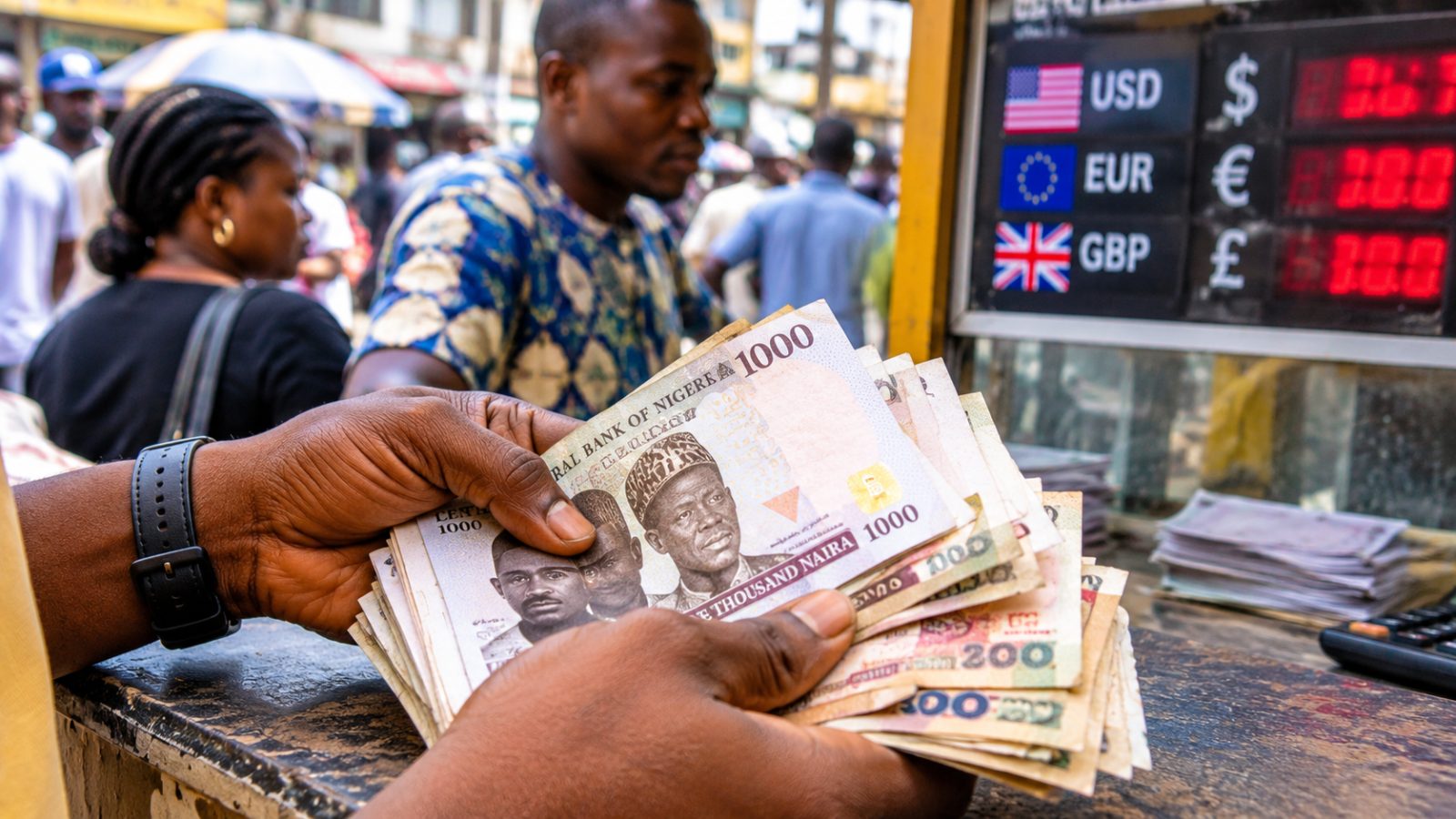
Nigeria’s currency faces renewed pressure from a stronger US dollar, election-related uncertainty and rising demand for foreign exchange, raising concerns about the cost of government borrowing and the prices Nigerians pay for everyday goods.
Nigeria’s economic outlook is facing another test as financial experts warn that a stronger US dollar and uncertainty ahead of the next election season could put fresh pressure on the naira and increase the country’s borrowing costs.
The warning, reported by Nairametrics on November 7, comes as global financial conditions and domestic political developments create uncertainty for investors and businesses.
The concern is not limited to movements in the foreign exchange market. A weaker naira could make imported goods more expensive, increase the cost of servicing Nigeria’s foreign debt and place additional pressure on government finances.
Recent developments have made the warning more significant. The naira weakened to approximately ₦1,389.73 per dollar in the official foreign exchange market on November 21, moving closer to the ₦1,400 mark.
##What could put pressure on the naira?##
One major factor is the strength of the US dollar.
When the dollar becomes stronger, investors may prefer dollar-denominated assets, particularly when US interest rates and Treasury yields offer attractive returns. This can make emerging markets such as Nigeria less attractive to some international investors.
When foreign investors reduce their participation or move funds out of the country, the supply of dollars in the domestic market can come under pressure.
Election-related uncertainty is another concern.
As Nigeria approaches another election cycle, investors may become more cautious about committing funds until they have a clearer understanding of the country's political and economic direction. Some foreign investors may delay investment decisions or move their money to markets they consider less risky.
This could reduce the supply of foreign exchange at a time when businesses, importers and individuals still need dollars to pay for goods, services and international transactions.
Demand for foreign currency can also increase towards the festive season as businesses bring in more imported products and households make additional purchases.
Analysts have also pointed to the importance of foreign exchange liquidity. Even when a country has substantial external reserves, limited dollars available to buyers in the market can contribute to exchange-rate volatility.
##Why Nigeria's borrowing costs matter##
The warning is particularly important because Nigeria depends on borrowing to finance part of its budget and meet other financial obligations.
When international interest rates rise, countries seeking to borrow in dollars may have to offer higher returns to attract investors.
Nigeria may therefore face more expensive borrowing when it approaches international debt markets to raise funds through instruments such as Eurobonds.
The country's existing foreign-currency debt also creates an exchange-rate risk. When the naira loses value against the dollar, the government needs more naira to repay the same dollar-denominated debt.
For example, if Nigeria owes $1 million, the dollar amount remains unchanged even when the exchange rate moves. However, a weaker naira means the government must spend more naira to obtain the dollars required for repayment.
This can increase the pressure on public finances and leave the government with less money for infrastructure, healthcare, education and other essential services.
Higher borrowing costs can also affect businesses. Companies that depend on loans to purchase equipment expand operations or import raw materials may face higher financing expenses.
When businesses spend more on borrowing, production and operations, they may increase the prices of their products and services to protect their profit margins.
##What could this mean for prices Nigerians pay?##
For ordinary Nigerians, the biggest concern is how exchange-rate pressure could affect the cost of living.
Nigeria imports many products and industrial inputs, including machinery, pharmaceutical materials, vehicle components, electronics and raw materials used by local manufacturers.
When the naira weakens, importers generally need more local currency to purchase the same quantity of goods from international suppliers.
These higher costs can eventually be passed on to consumers.
A trader importing household appliances, for example, may have to spend more naira to pay an overseas supplier. The trader may respond by increasing the selling price to recover the additional expense.
Manufacturers can face a similar challenge when imported ingredients, packaging materials, spare parts or production equipment become more expensive.
The effects may extend to food prices, transportation, building materials and other everyday expenses, depending on how much businesses rely on imported products and inputs.
However, the impact is not always immediate. Some businesses may continue selling existing stock purchased at earlier exchange rates, while others may absorb part of the additional cost. The speed and size of price increases will depend on the duration of the currency pressure and conditions in the wider economy.
##Can the Central Bank reduce the pressure?##
The Central Bank of Nigeria has several tools for managing foreign exchange conditions and supporting price stability. These include monetary policy decisions, foreign exchange market interventions and measures aimed at improving market liquidity.
However, maintaining currency stability requires more than occasional intervention. Sustainable foreign exchange supply depends on factors such as export earnings, foreign investment, oil production, confidence in economic policies and the ability of businesses to access foreign currency through transparent channels.
Nigeria's oil and gas earnings remain particularly important because crude oil exports are a major source of foreign exchange.
Improved oil production, stronger non-oil exports and sustained foreign investment could help increase dollar supply and strengthen the country's external position.
The government also needs to maintain investor confidence through predictable policies, responsible spending and credible economic management.
##What Nigerians should watch##
The coming weeks will be important for the naira and the wider economy.
Investors will be watching movements in the US dollar, international interest rates, foreign exchange reserves and the level of dollar supply in Nigeria's official market.
The Central Bank's policy decisions will also matter, particularly as it balances the need to control inflation against the need to support economic growth.
For households and businesses, the key issue is whether the recent exchange-rate pressure will continue or ease.
A sustained period of naira weakness could increase import costs, make foreign debt more expensive to service and complicate efforts to reduce inflation.
On the other hand, improved dollar supply, stronger investor confidence and stable economic policies could help reduce pressure on the currency.
##A currency issue that affects everyday life##
The warning from financial experts is a reminder that exchange-rate movements are not just figures displayed on financial websites or bureau de change boards.
They can influence the price of food, medicine, transportation, electronics, building materials and other goods Nigerians purchase regularly.
A stronger dollar may create challenges for the naira, while higher international borrowing costs could make it more expensive for Nigeria to finance its development needs.
For millions of households already managing rising living expenses, the major concern is whether another period of currency pressure will lead to fresh increases in the cost of living.
Ultimately, the stability of the naira will depend on both global financial conditions and Nigeria's ability to strengthen its foreign exchange supply, maintain investor confidence and manage public finances responsibly.
Version 1.0. Kobo Daily stories are edited before publication and updated as facts change. Spotted an error? Tell our editors.