Egypt Raises $658m from Banque du Caire IPO as Investor Demand Surges.
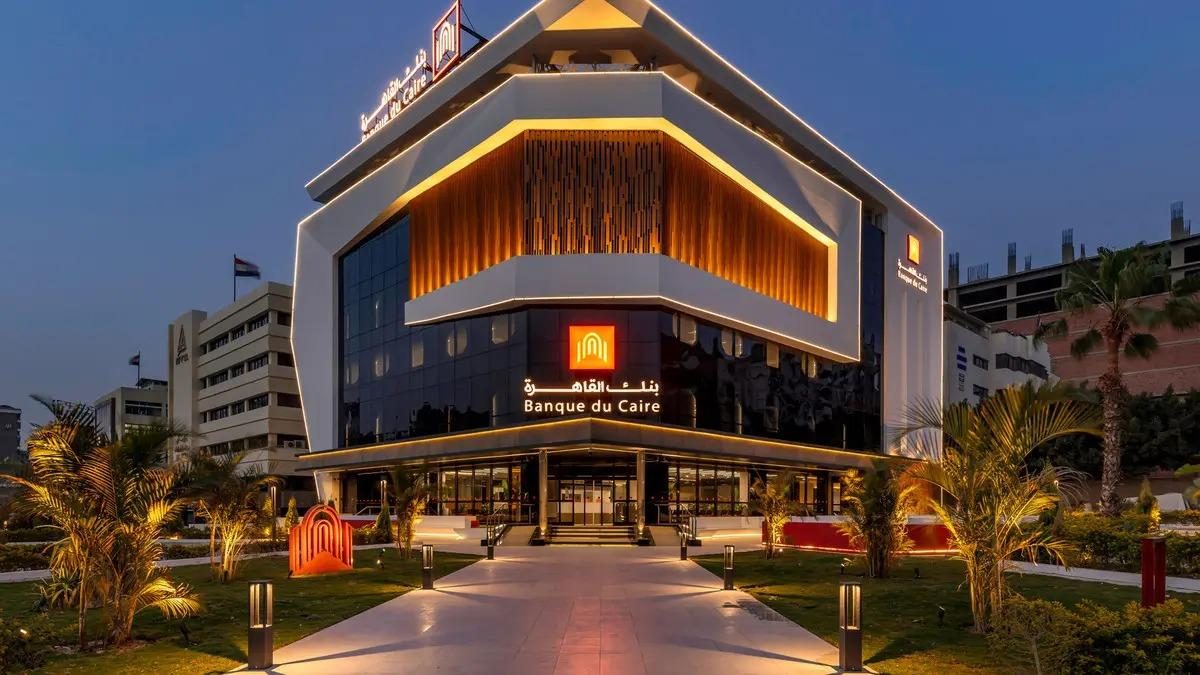
Egypt Raises $658m from Banque du Caire IPO as Investor Demand Surges
Egypt has raised approximately $658 million through the initial public offering (IPO) of Banque du Caire, marking one of the country’s biggest state-asset sales in recent years and providing a major boost to its stock market.
The offering raised 36.37 billion Egyptian pounds, equivalent to about $658 million, through the sale of 45 per cent of the bank’s shares on the Egyptian Exchange. The transaction was completed at 5.30 Egyptian pounds per share, valuing the lender at approximately 80.83 billion pounds, or $1.46 billion.
The sale involved 6.86 billion shares previously held by Banque Misr, Banque du Caire’s majority shareholder. Banque Misr is also state-owned, making the transaction part of Egypt’s wider effort to reduce direct government ownership of commercial businesses and attract more private investment.
The listing is particularly significant because it represents the largest initial public offering in the history of the Egyptian Exchange, according to Egyptian authorities.
A major share sale in Egypt
Banque du Caire, established in 1952, is one of Egypt’s longstanding banking institutions. It provides services to individuals, businesses and corporate customers, making it an established player in the country’s financial sector.
Under the IPO, investors purchased 45 per cent of the bank, while Banque Misr retained a controlling 55 per cent stake.
The transaction attracted substantial demand from both local and international investors. According to the Egyptian Exchange, the public offering was subscribed approximately 27 times, meaning investors placed orders for roughly 27 times the shares available in that portion of the sale.
The private institutional tranche was covered around six times. Overall investor demand reached approximately 255 billion Egyptian pounds, significantly exceeding the 36.37 billion pounds worth of shares offered.
More than $500 million in funds transferred from abroad also went into the offering, highlighting the participation of foreign investors.
The European Bank for Reconstruction and Development and the International Finance Corporation were among the major institutional participants, with each committing $100 million to the IPO.
These figures made the transaction a significant development for Egypt’s financial markets and its efforts to attract international capital.
Why governments sell shares in state-owned companies
Governments sometimes sell part of their ownership in state-owned businesses through stock market offerings to raise money, encourage private investment and reduce their direct involvement in commercial activities.
An IPO allows a company or an existing shareholder to offer shares to members of the public and institutional investors. In return, investors receive an ownership stake in the business and may benefit if its value increases or it distributes profits.
For governments, selling part of a state-owned company’s shares can serve several purposes.
First, it can generate proceeds for the selling shareholder. In Banque du Caire’s case, the shares were sold by Banque Misr rather than newly issued by Banque du Caire. This distinction matters because the money raised from the sale goes to the selling shareholder, not directly into the bank as new share capital.
Second, a share sale can broaden ownership by allowing private investors, pension funds and international institutions to participate in businesses that were previously largely state-controlled.
Third, listing a company can increase transparency because publicly traded businesses face financial reporting, disclosure and regulatory requirements. A wider shareholder base can also bring additional scrutiny to management and corporate performance.
Egypt’s latest offering forms part of a broader privatisation programme linked to economic reforms supported by the International Monetary Fund.
The government has previously indicated plans to sell stakes in more than 30 state-owned companies under commitments associated with its IMF support programme. The objective includes encouraging private-sector participation and reducing the state’s role in economic activities.
What the investor response says about Egypt
The strong demand for Banque du Caire shares suggests that investors were willing to commit substantial money to the offering.
The public tranche’s 27-fold subscription level is particularly notable. It means demand from eligible public investors was far greater than the number of shares allocated to that section of the IPO.
The participation of international financial institutions also adds weight to the transaction. The $100 million commitments from both the EBRD and IFC provided significant institutional backing.
For Egypt, this response offers an encouraging signal at a time when the country is working to attract foreign investment, strengthen its capital markets and implement economic reforms.
However, the success of one IPO should not be interpreted as proof that all investors have regained confidence in the Egyptian economy.
Investors still consider factors such as currency stability, inflation, interest rates, government debt, political and regional risks, and the ability of businesses to generate sustainable returns.
The demand for Banque du Caire shares therefore reflects interest in this particular bank and its investment prospects, as well as an encouraging response to Egypt’s stock market. It does not automatically remove the wider economic challenges facing the country.
What happens after the IPO?
The listing gives Banque du Caire access to a broader shareholder base and places its shares on the Egyptian Exchange, where investors can trade them.
It also creates an opportunity for the bank to strengthen its public profile and attract further institutional attention.
For the Egyptian government, the transaction provides momentum for its plans to sell stakes in other state-owned businesses. A successful offering can help demonstrate that large public assets can attract private capital, potentially making future share sales easier to execute.
The government has also been working to prepare additional state-owned companies for potential listings. The success of Banque du Caire could therefore become an important reference point for investors considering future offerings.
Nevertheless, the long-term impact will depend on how the bank performs after its listing, how its new shareholders engage with the business and whether Egypt can maintain investor interest beyond a single major transaction.
A significant step, but not the end of the challenge
Egypt’s $658 million Banque du Caire IPO is a major development for the country’s financial market and privatisation programme.
The sale demonstrates that a large state-linked banking institution can attract substantial interest from domestic and international investors. It also gives the Egyptian Exchange a landmark listing and provides a practical example of the government’s effort to expand private-sector participation.
For investors, the transaction offers an opportunity to own part of an established Egyptian bank. For the government, it represents progress towards reducing state ownership in commercial activities.
The bigger test, however, will be whether Egypt can maintain that level of investor interest in future offerings and translate strong demand into lasting investment, stronger businesses and sustainable economic growth.
Version 1.0. Kobo Daily stories are edited before publication and updated as facts change. Spotted an error? Tell our editors.