COST OF LIVING FEAR RISES AGAIN IN KENYA AS MILLIONS FACE POVERTY RISK
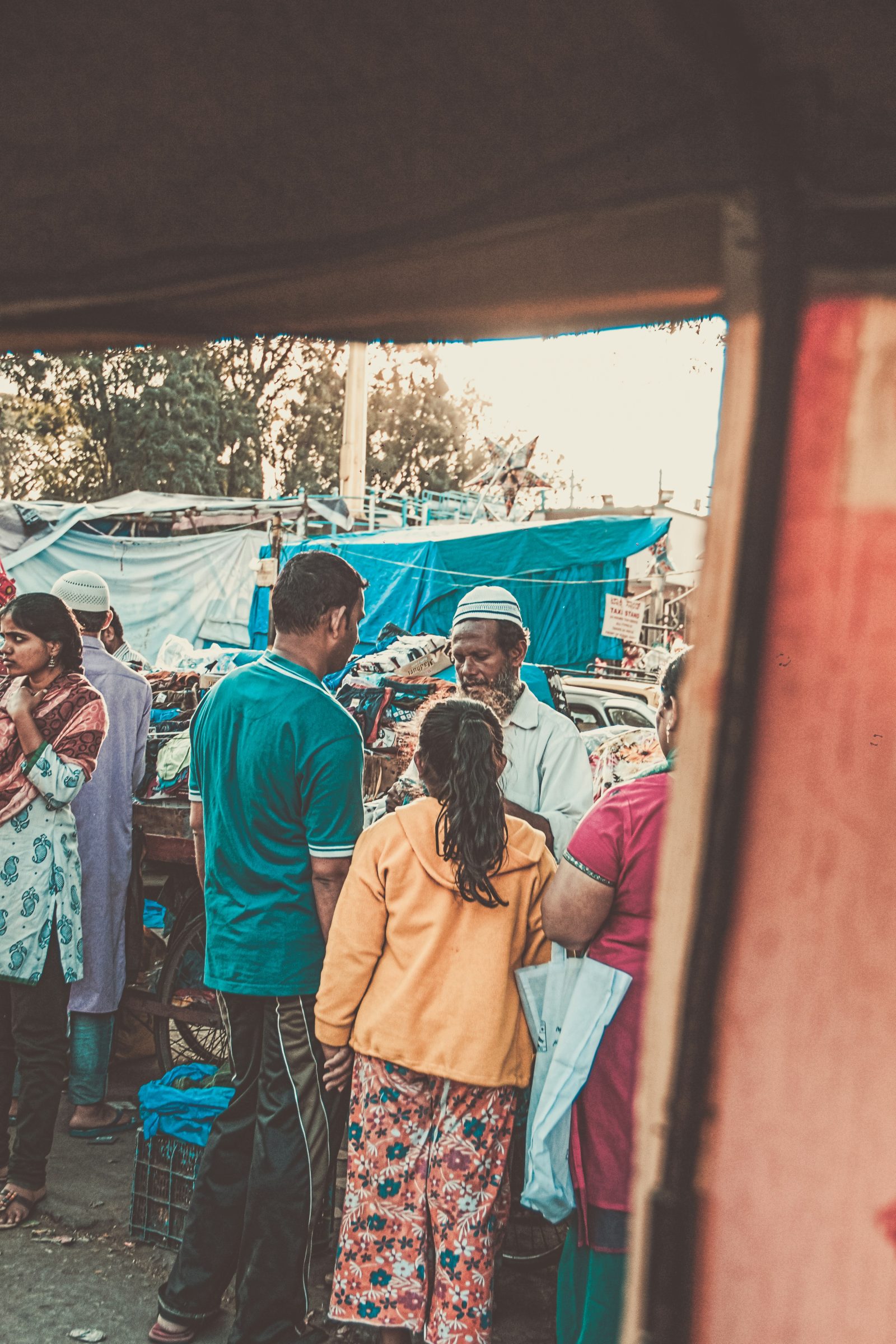
For millions of Kenyans, managing household expenses has become a daily exercise in compromise. A new international survey identifies the cost of living as the biggest concern among respondents across 32 countries, while World Bank projections warn that up to 2.4 million Kenyans risk falling into poverty by the end of 2026.
The survey, conducted by the Future Investment Initiative (FII) Institute in partnership with Ipsos, found that 56 per cent of respondents considered the cost of living their top concern—a six-percentage-point increase from the previous year. Food and energy costs led those concerns, cited by 34 per cent of respondents.
The research interviewed 61,200 people between April 24 and June 5, 2026, across multiple countries, including Kenya. That global spending pressure lands heavily in Kenya, where rising prices continue to strain tight household budgets.
WHY PRICES CONTINUE TO WORRY HOUSEHOLDS
Kenya's official inflation figures underline the economic pressure facing families across the country.
The Kenya National Bureau of Statistics (KNBS) reported that annual inflation reached 7.3 per cent in October 2026, up from 6.8 per cent in September. Food and non-alcoholic beverages recorded annual inflation of 10.2 per cent, while transport costs rose by 17.1 per cent. Housing, water, electricity, gas and other fuels increased by 3.7 per cent.
For commuters, the 17.1 per cent rise in transport costs directly squeezes daily budgets, while market shoppers face a 10.2 per cent increase in food prices. Families paying for electricity, cooking fuel and rent have less room to absorb further increases.
The World Bank has separately warned that between one million and 2.4 million Kenyans could fall below the poverty line by the end of 2026. Its estimates suggest the national poverty rate could rise by between two and 4.5 percentage points, driven partly by inflationary pressures linked to tensions in the Middle East.
Employment conditions compound the strain. The World Bank estimates that roughly 800,000 Kenyans enter the labour market each year, but only about 100,000 secure formal employment. Many others depend on informal work, where earnings can be irregular and financial protection is limited.
WHAT HOUSEHOLDS FIND DIFFICULT TO AFFORD
Beyond official inflation tracking, consumer sentiment data shows where household spending pressure hits hardest.
A Consumer Pulse Study by TransUnion found that 54 per cent of consumers who purchased gasoline in the preceding three months considered it unaffordable. Travel-related expenses, including flights and hotels, followed at 48 per cent, while 45 per cent reported that dining out was unaffordable.
Groceries were also a major concern, with 42 per cent rating food shopping as unaffordable. Medical care was cited by 39 per cent, while 38 per cent reported difficulty affording housing costs and utilities.
To keep food on the table and rent paid, families facing these pressures have to make difficult choices about discretionary spending. Non-essential travel, restaurant meals and leisure activities can become harder to justify when income is needed for groceries, transport and household bills.
POVERTY RISK AND THE PRESSURE ON DAILY LIFE
The World Bank's poverty projections highlight the vulnerability of households already struggling to meet basic needs. When essential prices rise faster than income, families have less money available for savings, healthcare, school fees and unexpected expenses.
The situation is particularly difficult for low-income earners and informal workers. Without steady income or sufficient savings, even modest increases in essential expenses can disrupt an already stretched household budget.
For millions of Kenyan families, the primary challenge is not simply stretching a paycheck to cover rising costs, but finding reliable income to keep up with them.
Version 1.0. Kobo Daily stories are edited before publication and updated as facts change. Spotted an error? Tell our editors.