CANEX Fashion Night Brings Lagos Creative Buzz
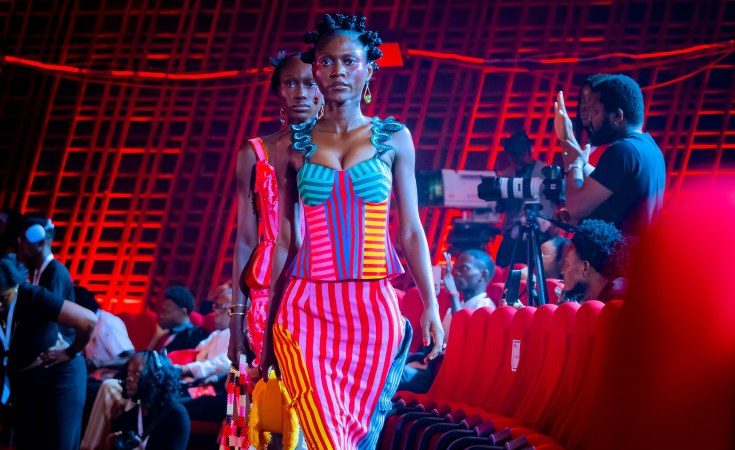
African fashion took centre stage in Lagos as designers from across the continent presented collections inspired by traditional craftsmanship and contemporary styles at the CANEX WKND 2026 fashion show.
The event, held as part of the four-day Creative Africa Nexus Weekend from November 5 to 8, brought together fashion professionals and other members of Africa's creative industry. It also drew attention to the business opportunities available within the continent's growing cultural and creative sectors.
Under the theme, “One People, United in Culture, Creating for the World,” the fashion showcase celebrated Africa's cultural identity while providing designers with an opportunity to present their work to a wider audience.
According to an "AllAfrica report" (https://allafrica.com/stories/202611080008.html), the runway featured collections that combined traditional African craftsmanship, cultural heritage and modern fashion. Models displayed outfits with bold silhouettes, detailed designs and contemporary interpretations of African textiles.
Music performances accompanied the fashion presentations, adding to the atmosphere of the evening. The event attracted Nigeria's Minister of Industry, Trade and Investment, Dr Jumoke Oduwole, whose presence reflected the growing attention being given to the economic potential of the creative sector.
The evening also included an awards ceremony recognising contributions in other creative fields, including film, publishing and gastronomy. The gathering brought different parts of Africa's creative community together, highlighting the connections between these industries and their potential to reach wider markets.
Why Lagos Continues to Attract Major Creative Events
Lagos has become an important destination for major creative gatherings because of its established presence in fashion, music, film, entertainment and business.
The city is home to designers, clothing manufacturers, fashion retailers, photographers, production companies and other creative professionals. This concentration of talent and businesses makes it easier for industry players to meet, exchange ideas and explore partnerships.
Its influence also extends beyond Nigeria. Nollywood and Afrobeats have helped introduce Nigerian entertainment to international audiences, while local fashion brands continue to find opportunities in regional and global markets.
Events such as CANEX WKND give these professionals a chance to connect with investors, customers and potential business partners. They also provide a platform for emerging talents to showcase their work and build relationships outside their immediate markets.
The Federal Government has identified fashion, film, music, digital content and other creative fields as important areas for economic development. A Creative Economy Data Mapping Report released in September 2025 identified investment opportunities across these sectors and formed part of the government's ambition to create two million creative economy jobs by 2030.
How Fashion Creates Jobs and Business Opportunities
The fashion industry involves far more than designers and models. Behind every collection are professionals responsible for turning an idea into a finished product.
The process begins with sourcing materials and developing designs. It continues through pattern-making, cutting, sewing, embroidery, finishing, packaging and marketing. These activities provide work for tailors, textile suppliers, fashion illustrators, manufacturers and other skilled workers.
Fashion shows also create opportunities for photographers, videographers, makeup artists, hairstylists, models, fashion stylists and event organisers. Their services are needed to prepare collections, organise presentations, promote brands and document events.
Small businesses can also benefit. Clothing retailers, accessory makers, beauty professionals, logistics companies and online vendors all have a role to play in the fashion value chain. Greater visibility for designers can translate into more customers and orders for the businesses supporting them.
In Lagos, efforts are being made to support some of these professionals through shared facilities and business development programmes. The Lagos State Employment Trust Fund's Eko Fashion Hub project in Yaba, for instance, provides access to production equipment, training and workspaces for people across the fashion value chain, including designers, tailors, photographers, models and stylists.
However, turning the industry's potential into lasting employment will require more than fashion showcases. Access to funding, modern production facilities, practical training and reliable markets remains important for businesses that want to expand.
The African Export-Import Bank (Afreximbank), through its Creative Africa Nexus initiative, is also working to support the continent's creative and cultural industries. The bank has committed US$2 billion in financing for the period between 2024 and 2027, covering sectors such as fashion, music, film, publishing, sport and gastronomy.
As African designers seek to build stronger brands and reach international customers, platforms such as CANEX WKND can help connect creative talent with business opportunities. The real measure of success, however, will be how much of that attention translates into sustainable businesses, investment and jobs for people working across the continent's fashion industry.
Sources
Version 1.0. Kobo Daily stories are edited before publication and updated as facts change. Spotted an error? Tell our editors.