African farm-tech faces funding squeeze again
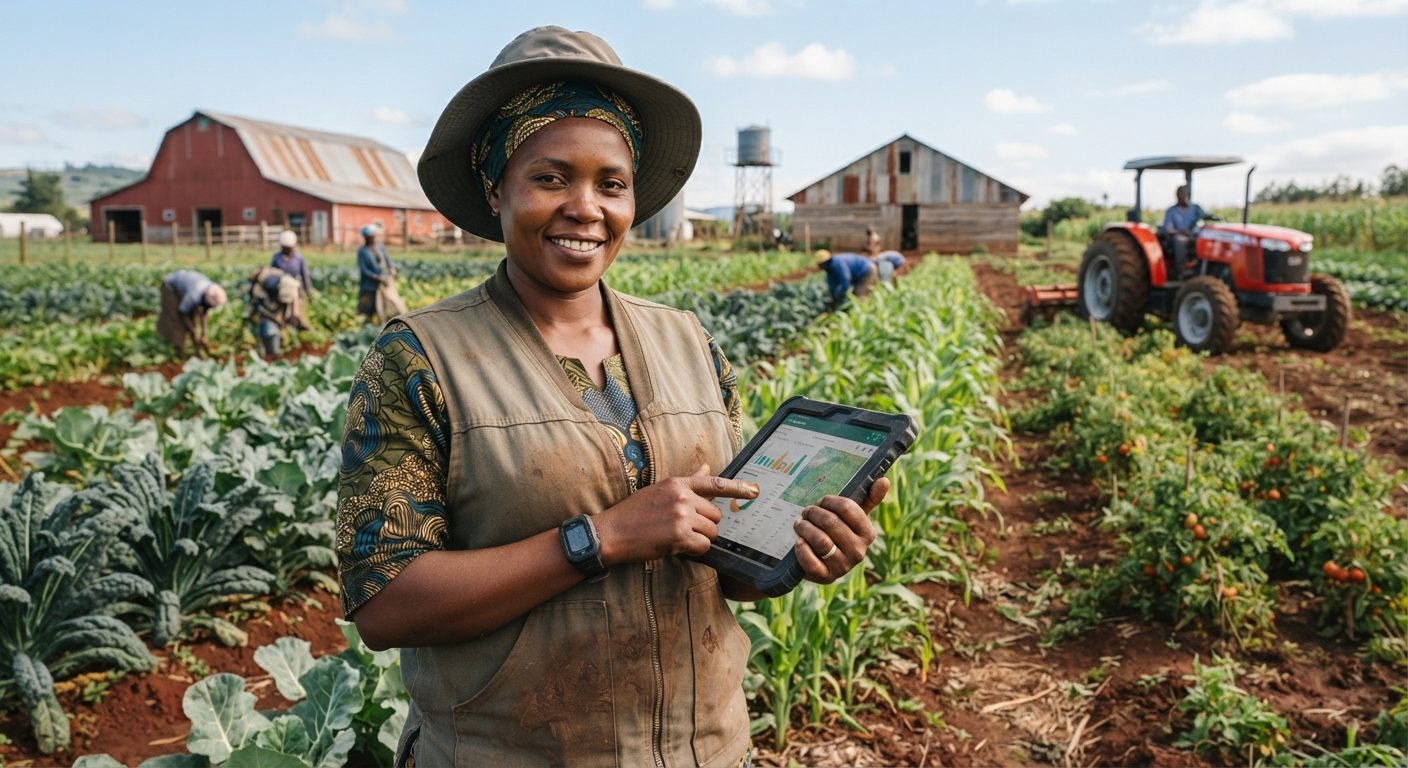
Africa’s digital agriculture sector is facing a difficult challenge: finding reliable funding to keep useful technology services running after donor-supported programmes come to an end.
The issue matters because millions of smallholder farmers depend on information and services that can help them make better decisions. However, developing a useful platform is only one part of the job. The bigger challenge is making sure it can continue operating and remain affordable over time.
What is causing the funding problem?
The main concern is that many digital agriculture projects have depended heavily on grants and development programmes. As donor funding becomes tighter, some organisations are under pressure to find other sources of money and build business models that can support their services independently.
A report by The Standard highlighted this challenge at the 10th AgriFin Learning Event in Nairobi. Industry leaders said the sector needs to move beyond donor-dependent projects and turn successful innovations into sustainable businesses.
Prosper Global AgriFin, formerly known as Mercy Corps AgriFin, reported that its programmes had reached more than 8.5 million smallholder farmers through digital information services, exceeding its original target of five million. Women accounted for 41 per cent of those reached.
These results show the potential of digital agriculture. However, reaching farmers is not the same as having a reliable source of income to maintain a service. That is why Africa agritech funding has become an important concern for businesses, investors and agricultural organisations.
Why farm technology matters to farmers
Digital agriculture Africa is not simply about putting technology on farms. It is about giving farmers information and services that can make everyday work easier.
For example, imagine a maize farmer who uses a mobile phone to receive weather updates before deciding when to plant. If the forecast warns of delayed rainfall, the farmer may adjust the planting schedule instead of risking seeds and money at the wrong time.
Digital platforms can also provide farming advice, financial information and links to markets. Some services help lenders understand farmers better, potentially making it easier for them to access financial support.
However, several problems still limit adoption. Unpredictable weather, weak infrastructure, digital exclusion and the high cost of reaching individual farmers can make these services difficult to deliver.
For African startups farming, these challenges create both an opportunity and a business problem. A platform may be useful to farmers, but it must also find a practical way to cover its operating costs.
What investors and startups may do next
The funding pressure could encourage investors to become more selective about the businesses they support. Instead of focusing only on new technology or the number of farmers reached, they may pay closer attention to whether a service has paying customers, reliable partnerships and a realistic plan for long-term growth.
Startups may also need to explore different ways of earning revenue. These could include affordable subscription services, partnerships with financial institutions, agricultural businesses or public organisations, and services that connect farmers to markets.
However, keeping services affordable must remain important. A business model that earns money but becomes too expensive for smallholder farmers may fail to reach the people who need it most.
Building a more sustainable future
The funding challenge does not mean digital agriculture has lost its value. Instead, it highlights the need to build stronger businesses around solutions that already help farmers.
The Standard's report points to the importance of reliable infrastructure, trusted partnerships and financing models that can survive beyond individual programmes. Investors also need evidence that their support is producing lasting benefits.
For African farm-tech businesses, the next stage will require more than developing new applications. They must show that their services solve real agricultural problems and can continue operating without depending entirely on external support.
If that transition succeeds, farmers could continue benefiting from useful digital services while startups build more stable businesses. The real test is whether the technology can remain accessible, practical and financially sustainable in the long run.
Sources
Version 1.0. Kobo Daily stories are edited before publication and updated as facts change. Spotted an error? Tell our editors.