AfDB Debt Warning Puts African Budgets in Focus as 22 Countries Face Financial Distress
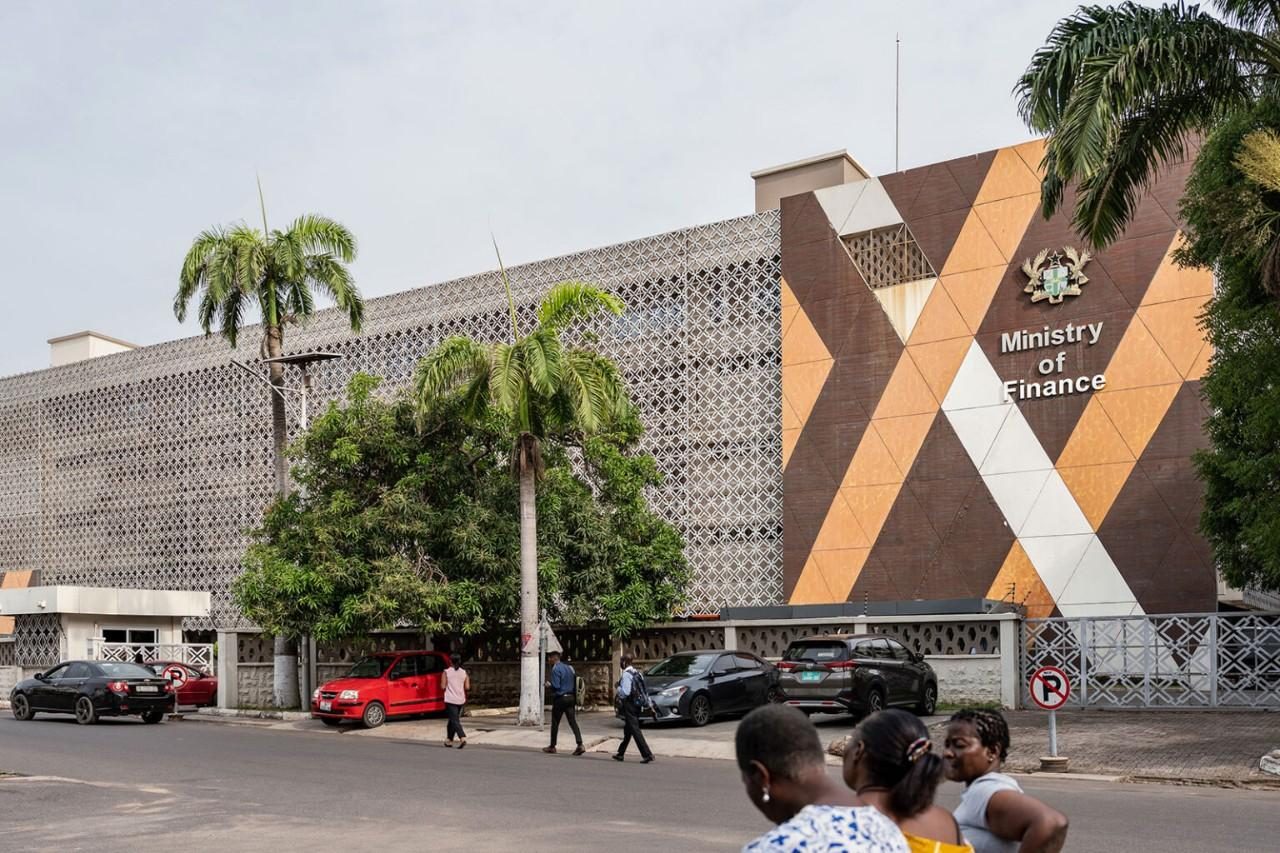
The African Development Bank has warned that 22 African countries are either already experiencing debt distress or face a high risk of falling into it, raising concerns about government spending, job creation and the delivery of essential public services across the continent.
The warning highlights the growing financial pressure facing African governments as rising interest payments consume money that could otherwise support hospitals, schools, roads, electricity projects and other development priorities.
According to the African Development Bank's November 2026 report, Africa's Macroeconomic Performance and Outlook, 14 African countries were at high risk of debt distress as of July 2026, while eight were already in debt distress. The findings were reported by ThisDay and published by AllAfrica on November 20.
The figures have renewed attention on Africa's public finances and the difficult choices facing governments as they attempt to balance debt repayments with the needs of growing populations.
##The Numbers Behind Africa's Debt Warning##
One of the most striking findings in the report is the amount of money African countries are spending on interest payments.
The AfDB estimated that approximately $87 billion flowed out of Africa in interest costs between 2022 and 2024. This represented about 19 per cent of total debt-service payments during the period.
The report also highlighted the increasing share of government revenue being used to repay external debt.
In 2017, African governments allocated approximately 23.7 per cent of their revenue to external debt service. By 2024, that figure had increased to 31 per cent. Interest payments on external debt alone accounted for 6.3 per cent of government revenue in 2024.
Another concerning finding was that between 2021 and 2023, 25 out of 51 African countries with available data spent more money on interest payments than on healthcare.
This comparison illustrates the difficult financial choices confronting governments, particularly in countries where public resources are already stretched by unemployment, poverty, infrastructure shortages and rising living costs.
Despite these challenges, the AfDB projected that Africa's average public debt-to-GDP ratio could decline from 62.6 per cent in 2025 to 60.7 per cent by 2030.
However, the bank warned that weaker economic growth, higher interest rates and excessive borrowing could undermine this improvement.
##What Does Debt Distress Mean?##
Debt distress is a situation in which a country struggles to meet its financial obligations, including repayments on money borrowed from other governments, banks and international financial institutions.
Simply put, when a government borrows money, it is expected to repay the loan with interest within an agreed period.
However, problems arise when the country's income is no longer sufficient to comfortably cover loan repayments while also paying for essential government responsibilities.
For example, imagine a government that collects $10 billion in revenue annually but must spend a very large portion of that money repaying loans and interest. The remaining funds may not be enough to build roads, employ teachers, improve hospitals or provide electricity.
A country classified as being at high risk of debt distress has a significant possibility of experiencing serious repayment difficulties if economic conditions worsen.
A country already in debt distress is facing serious difficulties meeting its debt obligations and may require financial restructuring, debt relief or additional support.
This does not automatically mean that a country has completely run out of money or formally declared bankruptcy. Rather, it indicates that its debt burden has become difficult to manage without corrective measures.
The AfDB's warning is particularly important because it shows that the problem is not limited to a handful of countries. It affects a significant number of African economies.
##Why Ordinary Africans Should Be Concerned##
Although government borrowing and debt repayments may appear to be issues reserved for economists and financial experts, their consequences can reach ordinary households.
When governments spend increasing amounts of money repaying loans, fewer resources may remain for public services and development projects.
1. Pressure on healthcare and education
One of the most immediate concerns is the potential impact on hospitals, schools and other essential services.
Governments experiencing financial pressure may struggle to provide sufficient funding for healthcare facilities, medical equipment, school infrastructure, teachers and educational materials.
In communities where public hospitals and schools serve millions of people, reduced government investment can make access to essential services more difficult.
2. Fewer employment opportunities
Government spending on infrastructure and development projects can create employment for construction workers, engineers, teachers, healthcare professionals and other skilled and unskilled workers.
However, when debt repayments consume a larger portion of available revenue, governments may have less money to invest in projects capable of creating jobs. Private businesses can also be affected when governments delay payments to contractors and suppliers.
3. Rising cost of living
High debt levels can contribute to economic instability, particularly when governments respond by increasing taxes, reducing subsidies or cutting public spending.
In some countries, pressure on foreign currency reserves and exchange rates can also make imported goods more expensive.
This can affect the prices of food, fuel, medicines, transportation and other essential products.
4. Slower infrastructure development
Africa continues to require significant investment in roads, electricity, water supply, transportation networks and affordable housing.
When governments have limited financial resources, important projects may be delayed, reduced in scale or abandoned.
This can affect economic growth, business activities and the quality of life of citizens.
##Why African Countries Are Facing Increasing Debt Pressure##
The AfDB identified several factors contributing to the growing debt burden across the continent. One important factor is the increasing dependence on commercial borrowing.
Some African governments have moved away from cheaper financing arrangements towards more expensive loans from commercial banks, international financial markets and other creditors.
These loans can carry higher interest rates and expose countries to greater financial risks.
Another challenge is the weakness of domestic revenue collection. Governments that struggle to generate sufficient income through taxation and other sources may depend heavily on borrowing to finance public expenditure.
Economic shocks also contribute to the problem.
When commodity prices fall, countries that depend heavily on exports such as oil, minerals and agricultural products may experience reduced government revenue.
Similarly, currency depreciation can make foreign-denominated loans more expensive to repay in local currency.
The AfDB warned that these vulnerabilities could become more serious if global interest rates rise or economic growth slows.
##What the African Development Bank Is Recommending##
In response to the growing financial pressure, the African Development Bank has called for stronger debt management and more responsible borrowing practices.
The institution believes African governments must ensure that borrowed money is invested in productive projects capable of generating economic growth and improving government revenue.
Rather than borrowing simply to cover recurring expenditure, governments are encouraged to direct more resources towards infrastructure, agriculture, manufacturing, energy and other sectors that can strengthen their economies.
The bank also emphasized the importance of timely debt relief for countries already experiencing serious financial difficulties.
According to the report, six African countries have restructured their debt since 2020 in an effort to restore financial stability and create room for development spending.
However, the bank noted that progress under the G20 Common Framework, an international initiative designed to help eligible countries restructure unsustainable debt, has generally been slow.
Improving domestic revenue collection, reducing unnecessary government expenditure and strengthening transparency in public borrowing are also important steps towards addressing the challenge.
##Africa's Economic Future Depends on Responsible Debt Management##
Africa's debt challenge presents a major test for governments seeking to achieve economic development while protecting citizens from the consequences of financial instability.
The AfDB's projection that the continent's average debt-to-GDP ratio could decline to 60.7 per cent by 2030 offers some encouragement.
However, the projected improvement will depend on governments making sound financial decisions, managing borrowed funds effectively and creating stronger economies capable of generating sustainable revenue.
For ordinary Africans, the issue goes beyond government financial reports and international economic statistics.
It concerns whether children can access quality education, whether hospitals can provide adequate treatment, whether young people can find employment and whether communities can benefit from reliable infrastructure.
The warning that 22 African countries are already in debt distress or at high risk should therefore serve as a call for urgent attention from policymakers.
Africa needs investment to develop, but borrowing must be managed responsibly to ensure that today's financial decisions do not become tomorrows economic burden.
Ultimately, the continent's development will depend not only on how much money governments can borrow, but also on how wisely they use it.
Version 1.0. Kobo Daily stories are edited before publication and updated as facts change. Spotted an error? Tell our editors.